Beavers Take Center Stage In Movies And On Western Ranches
North America’s largest rodents are heroes on film and in real life, renowned for their ability to store water.

Publication Alert: The Invasion Severity Index
April 16, 2026
What Are Mesic Resources?
April 28, 2026
Nature’s Furry Heroes
A beaver might seem like an unlikely heroine. They’re round, furry, they waddle awkwardly on land and have ever-growing overbites; North America’s largest rodents aren’t exactly dashing. But beavers’ superpowers as ecosystem engineers have brought the aquatic critters recent fame.
The new animated Pixar movie Hoppers is a great example of beavers’ growing popularity. In this spring box-office hit, the mammals and their dams play a central role in the movie’s plot. When a city’s highway construction project destroys a wetland and pond, a host of forest animals have to move elsewhere.
Beavers are portrayed as leaders in the animal kingdom in this fictional film because their industrious dam-building efforts provide the precious water all other animals need. In the climax scene (spoiler alert!), the water stored in a large pond behind a beaver-built dam saves the people and their town from a wildfire.
Beavers Buffer Wildfires
Not all of Hoppers is fiction. Beavers are, in fact, a keystone species important to the survival of many other animals. And the wet, green habitat their dams create does actually fire-proof parts of the landscape.
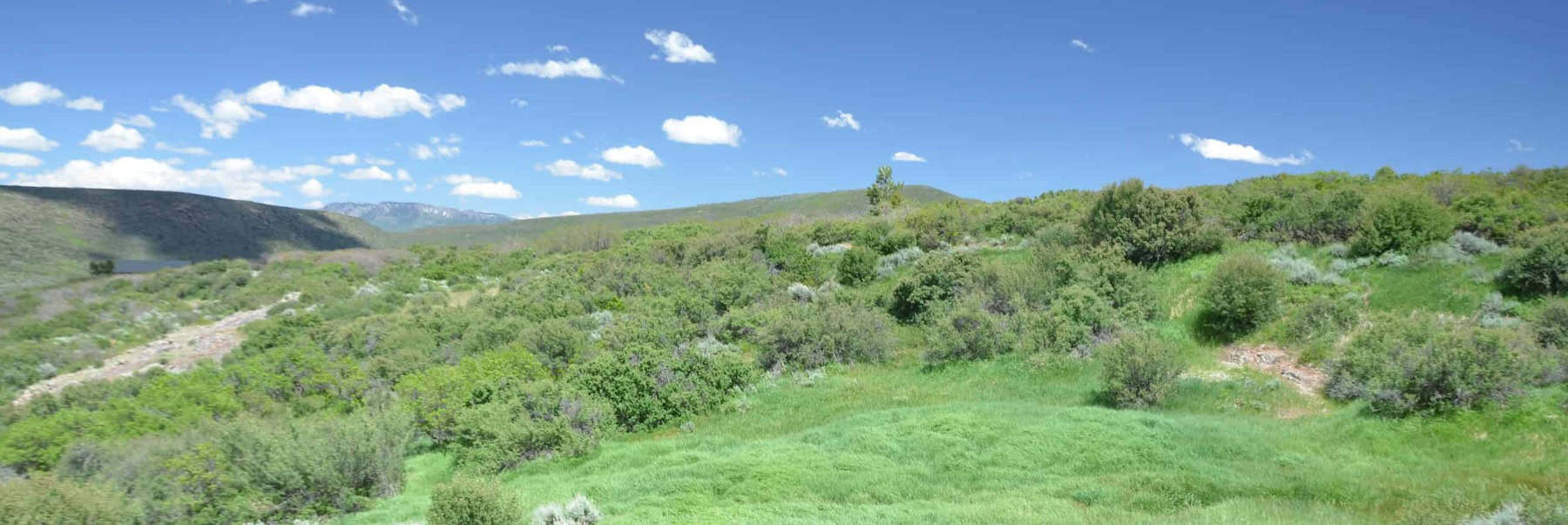
Beavers’ role in creating “emerald islands” that serve as fire refugia is especially important in the dry American West, where water is very scarce.
“The benefits of beavers are obvious in the West. When you have a wildfire burn across the landscape, and the only thing still green is a great big beaver pond, it’s a constant reminder of how valuable the beavers are in everything they do,” said Emily Fairfax, an ecohydrologist and associate professor at the University of Minnesota.
Fairfax consulted with Pixar for five years as a science advisor on Hoppers to ensure the beavers and their ecological roles were portrayed as accurately as possible. She says she researches the “inter-connectedness between beavers droughts, floods and fires” across the continent.
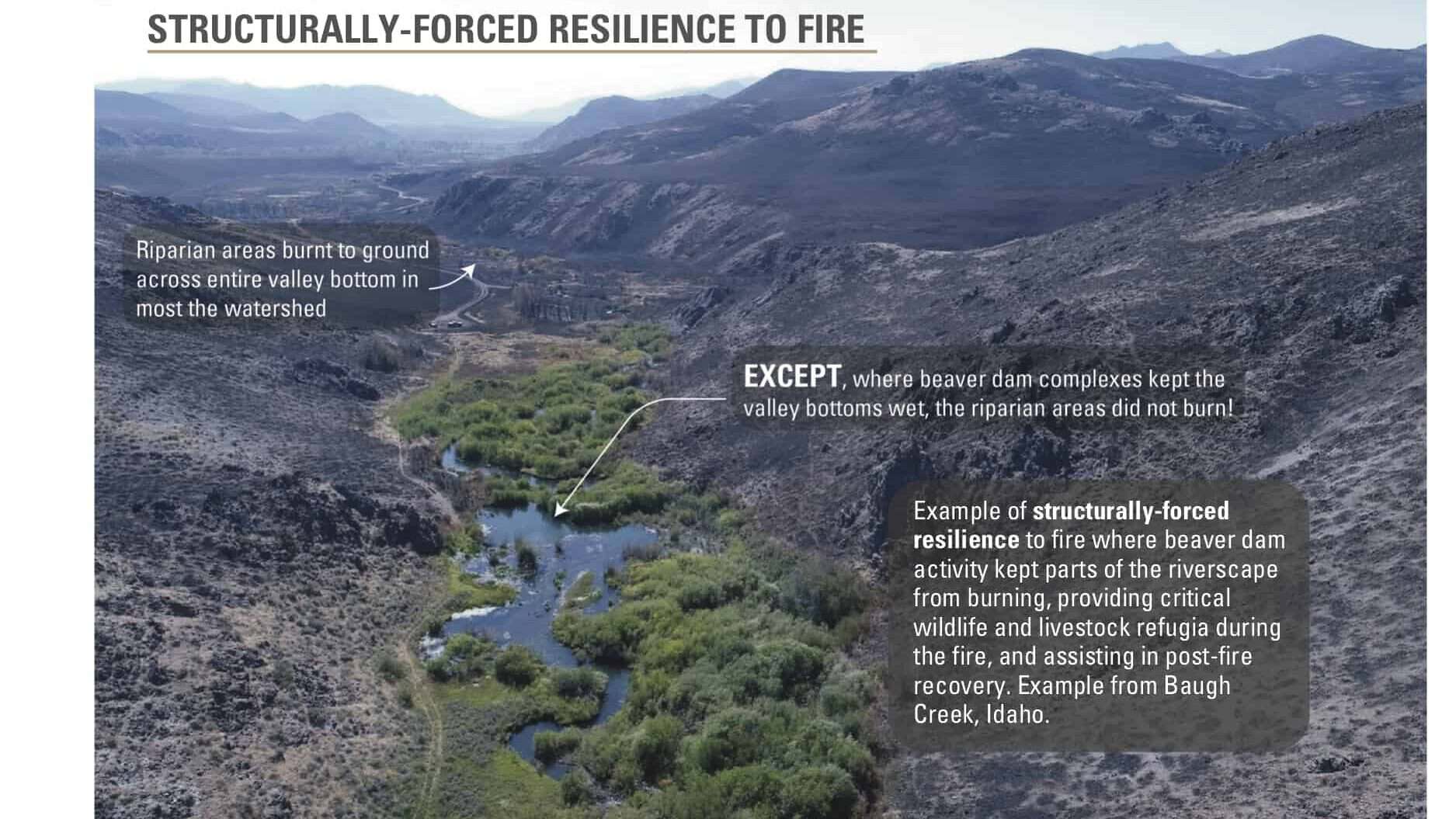
Her early research showing how beaver dams can buffer the land from wildfires was spurred by photos (like the one above) taken in 2018 by Joseph Wheaton, a fluvial geomorphologist at Utah State University and longtime WLFW watershed restoration partner. Wheaton posted photos on social media of places in Idaho where beaver ponds served as a firebreak that kept flames at bay.
The only remaining green areas amidst miles of scorched rangeland were places where beavers were actively spreading out water on the dry summer range.
“Water doesn’t burn. Beavers make a lot of sense for mitigating impacts during a fire,” said Joe Wheaton, in this National Wildlife Federation blog.
The wet, green emerald islands beavers create can provide habitat for wildlife and livestock during and after wildfires.
How Beavers Benefit Ranchers
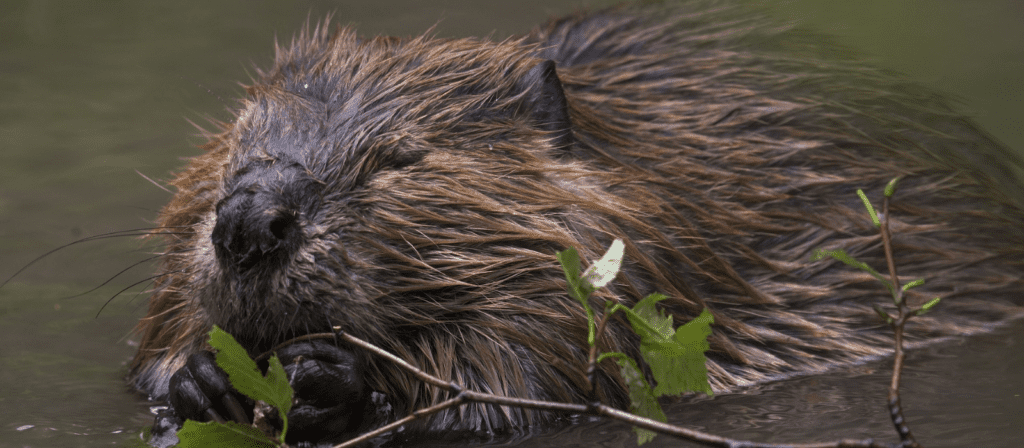
The benefits of beavers go well beyond fire refugia. Beaver-dammed areas also store water later into the fall, turning floodplains into saturated sponges that slowly release water when people and animals need it most.
This stored water is as good as gold in the West, where wet places comprise less than 2% of the entire landscape. Since the vast majority of those precious water resources are on private land, it’s important to partner with agricultural landowners to proactively maintain or enhance ponds, wet meadows and riparian areas and restore them when proactive measures are too late.
Working Lands for Wildlife leverages partnerships and Farm Bill dollars to help landowners conserve wet, green places, called mesic resources. We use low-tech, cost-effective methods that kickstart natural processes. This means building simple structures made of mud, stones or sticks that slow down water and spread it across the floodplain (just like beavers do).
Low-tech restoration structures provide more reliable water for ranchers, communities, and the ecosystem. Plus, they reduce the catastrophic impacts of floods, droughts, and fires by creating resilient floodplains.
“We call it low-tech restoration because anyone can build these structures,” explained Jeremy Maestas, an ecologist with the USDA-NRCS West National Technology Support Center. “That means we get more people involved in conservation, plus we can repair more streams in need.”
A popular and effective low-tech method is building beaver dam analogs. These human-made dams also provide habitat for curious beavers, and sometimes entice the mammals to stay and set up shop in new areas.
Beaver dams—real or mimicked—raise the water table during high flows in the spring when the snow is melting. This saturates the floodplain and recharges groundwater. During the West’s driest months in summer and fall, the still-wet soils help keep plants growing and streams flowing.
Jay Wilde, a rancher who helped bring beavers back to his Birch Creek in Idaho, saw these results first-hand. The creek now flows again year-round, trout are once again abundant in the stream, and Wilde has more water for his grazing lands and livestock.
“A lot of really neat things have happened since the beavers came back,” Wilde wrote in a recent retrospective about the project. “Fish, birds, deer, elk, moose, and so much flora in this watershed are all much better off now because of the beavers.”
Hoppers had it right when they cast beavers as nature’s heroes. Hopefully, the movie inspires a new generation to celebrate these animals’ role in keeping America’s lands healthy and watersheds resilient.