National Grasslands Week: Building Awareness Of America’s Vanishing Grasslands
Grasslands cover nearly one million acres of the U.S., yet half of Americans know little about this vital ecosystem, according to a new survey.
New Video Shows An Overlooked Threat to Grasslands And Shrublands
June 5, 2026
Virtual Fences, Actual Conservation
July 9, 2026
More Knowledge Is Key To Saving Grasslands
As we celebrate National Grasslands Week, it’s a good time to reflect on how valuable grasslands are for people, livestock and wildlife.
Grasslands cover nearly one million acres of the U.S., stretching from coast to coast. America's last great grasslands support wildlife and power rural economies.
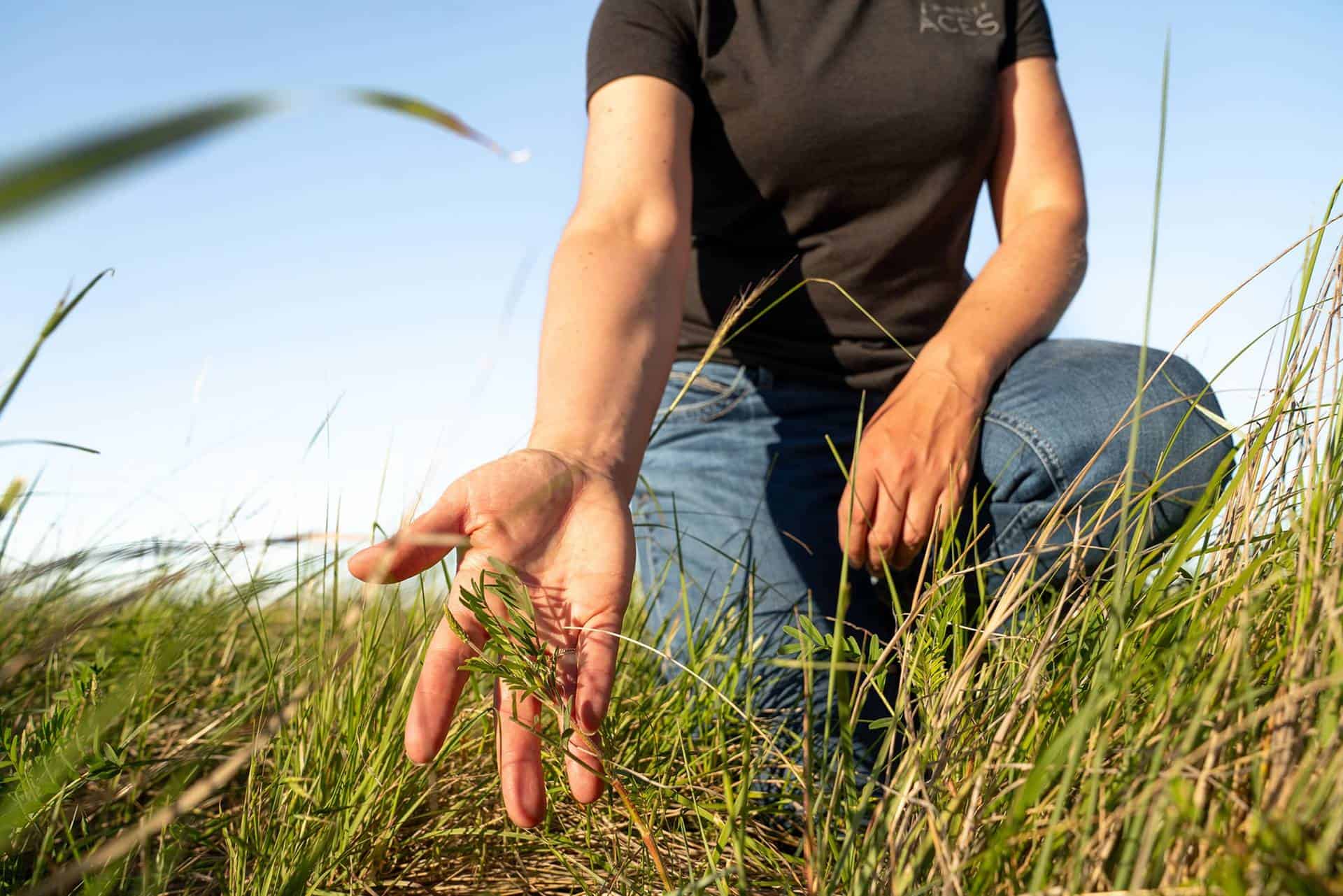
Healthy and resilient working grasslands filter our water. They feed our livestock. They store carbon underground. They support migratory big game, songbirds, and recreation opportunities.
Yet 47% of Americans know almost nothing about them.
In a new national survey released by the America’s Grasslands Coalition, 47% of respondents were unfamiliar with grasslands. However, once respondents learned a little more about this imperiled ecosystem, 71% said they would be likely to support grassland conservation efforts.
The message from the survey is clear: building public awareness is the key to conserving our grasslands. When Americans learn about grasslands, they value them. And when they value grasslands, they are more likely to protect them.
Agricultural Landowners Steward America's Last Grasslands
From the tallgrass prairies of the Midwest to the sagebrush-steppe of the West to the savannas of the Southeast, grasslands form the ecologic and economic backbone of much of the rural United States.
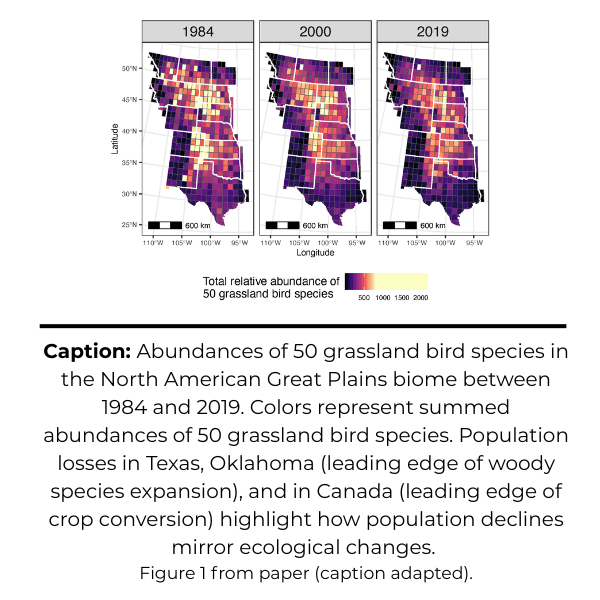
But they are disappearing at an alarming rate. Only about half of the country’s historic grasslands are still intact, and the remaining half is threatened by development, cropland cultivation, and woodland expansion.
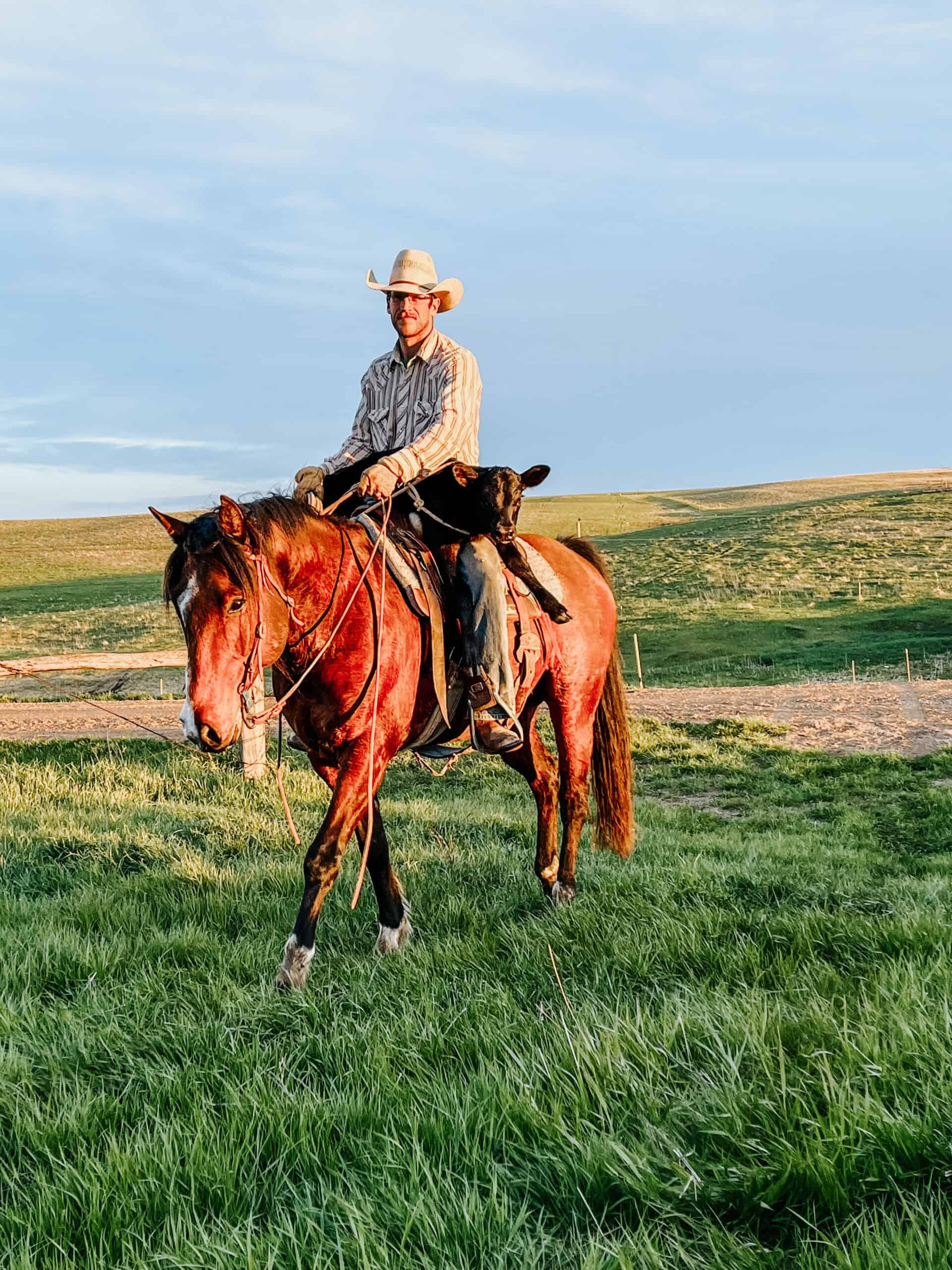
Ranchers across the West are keeping grasslands open and intact. Working Lands for Wildlife partners with agricultural producers who steward America's remaining grasslands. Our incentive-based conservation model is a win-win for livestock producers, rural communities, and wildlife.
The sagebrush biome is the largest single habitat type in North America
Healthy, resilient, and productive working rangelands are critical to vibrant communities, wildlife, and the Western way of life.
The grasslands of America's Great Plains provide food and fiber to the entire nation.
With more than 90% of the Great Plains in private ownership, partnering with landowners is essential.
The West's migratory big game are icons of the wide open rangelands that define this region.
They rely on large and connected landscapes to meet their daily, seasonal, and annual needs.
From livestock to crops, America’s central and eastern grasslands and savannas are some of the country's most productive agricultural lands.