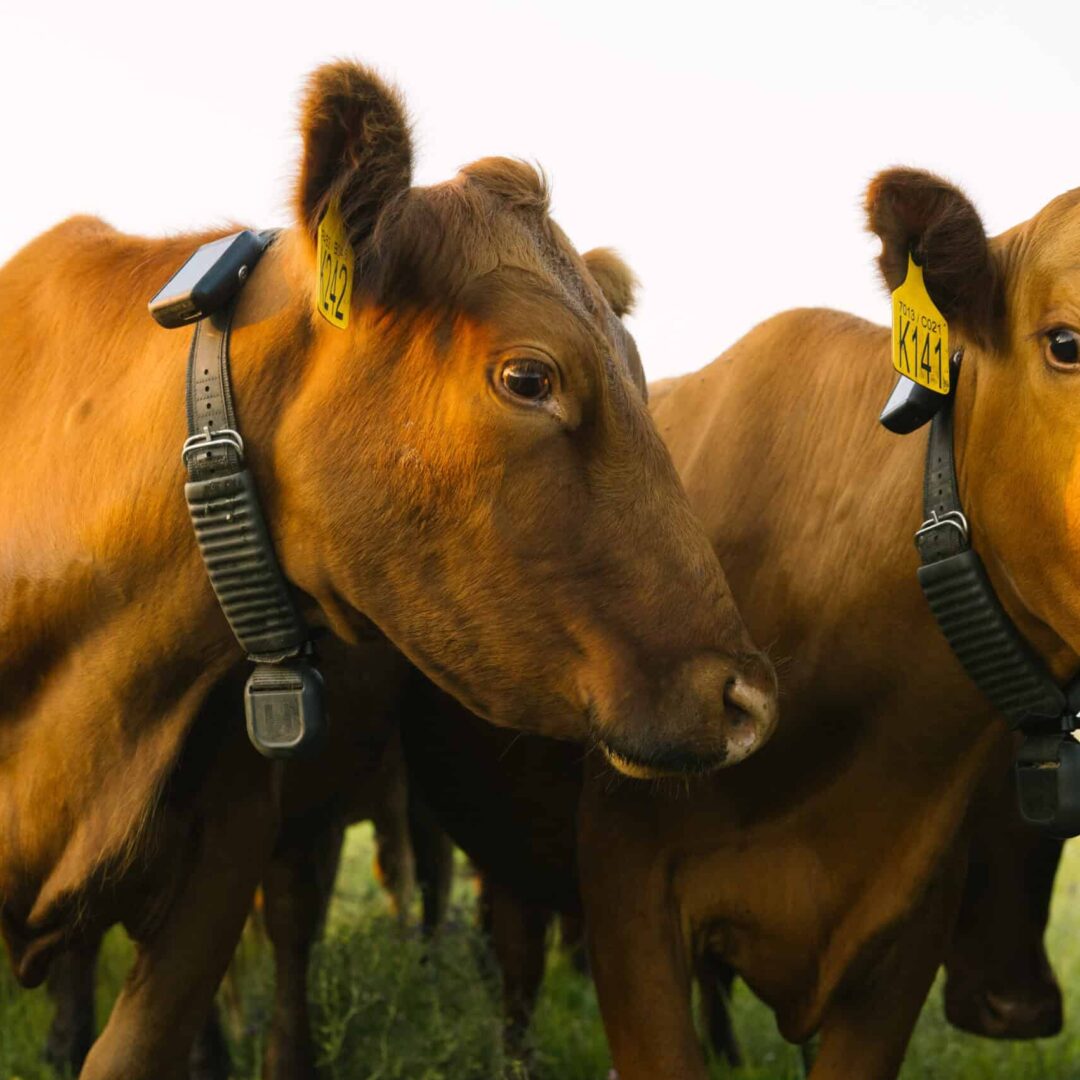
New Video Shows An Overlooked Threat to Grasslands And Shrublands
A six-minute film produced by the Cornell Lab of Ornithology shines a spotlight on an existential threat to some of the last, great grass and shrublands on Earth: woody encroachment.
Migratory Big Game Framework In Focus: Wildlife Conservation Through Sustainable Ranching
June 2, 2026
National Grasslands Week: Building Awareness Of America’s Vanishing Grasslands
June 22, 2026
Watch How Landowners Are Working Together To Halt Woody Encroachment
A new six-minute film produced by the Cornell Lab of Ornithology with support from Working Lands for Wildlife, the University of Nebraska-Lincoln, and Pheasants Forever shines a spotlight on a serious but often overlooked threat to some of the last, great grass and shrublands on Earth: the expansion of trees into productive rangelands.
The film highlights the impacts encroaching trees have on both wildlife and people, detailing how livestock producers in the Great Plains are experiencing losses in forage (the grass and forbs their cattle need to eat) and the costs to communities through lost grazing revenues.
Most importantly, the film also tells a story of hope, showing real-world examples of landowners, communities, and partners who are restoring grasslands with prescribed fire and proactive conservation.
Seth Coffey | Rancher & Burn Boss, Double C Cattle Company Ranch, Oklahoma
I’m a 4th generation rancher, and my family relies on intact grasslands for our livelihood. We started a prescribed fire program on our ranch in 2013 to actively combat woody brush expansion, mainly eastern redcedar.
We now burn at least two-thirds of our ranch each year–and we’re making serious headway. Several areas went from 50% tree canopy back to native open grasslands after using a combined approach of fire, mechanical and chemical treatments.
Prescribed burns give us more grazable acres for livestock, more water in streams and in the ground, and less pests like ticks.
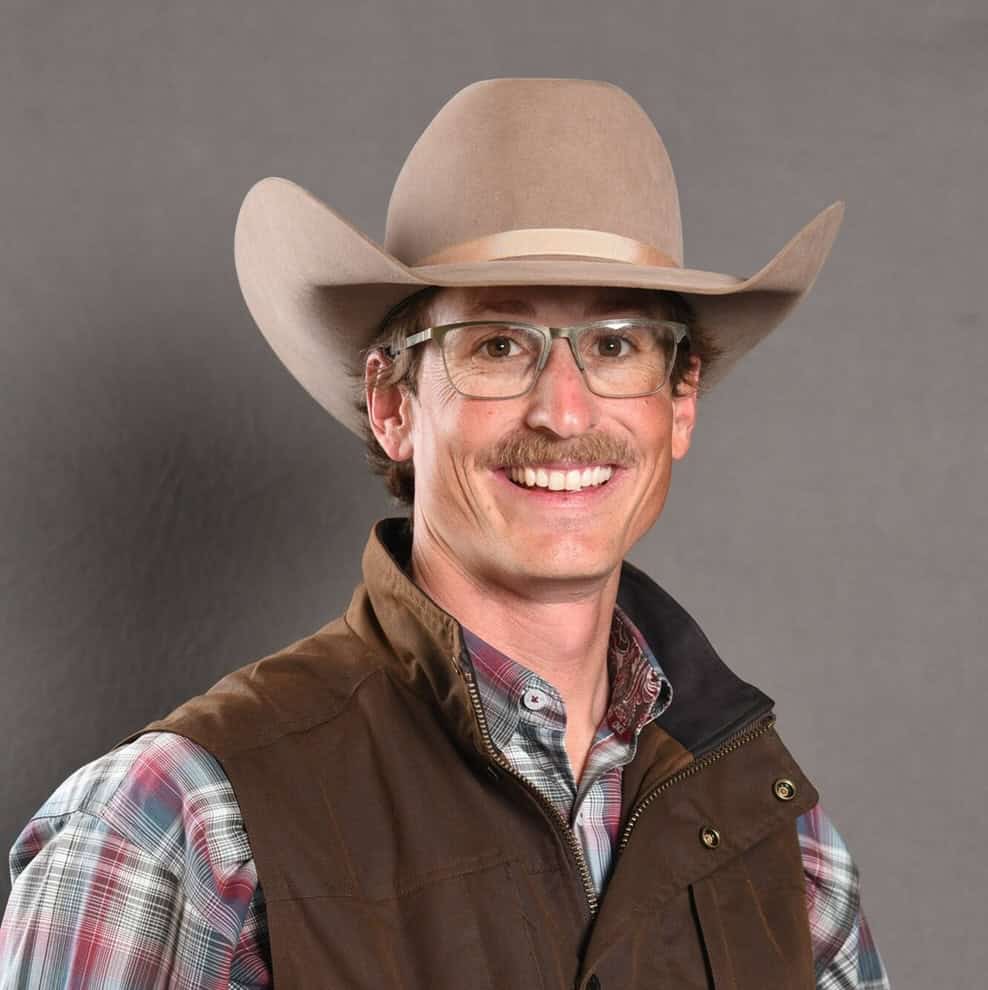
Wenfei Tong | Science Editor, Cornell Lab of Ornithology’s Center for Conservation Media
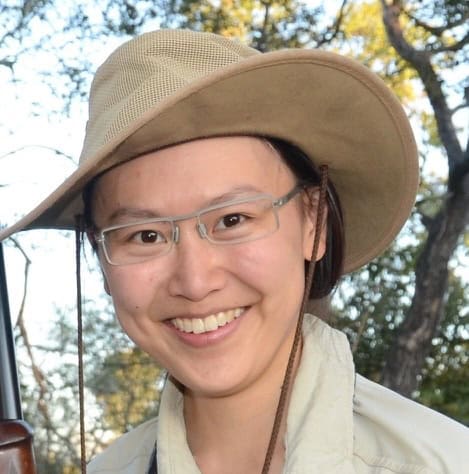
Birds are bellwethers of our environmental and cultural health. Grassland birds are the most threatened of all bird guilds in North America.
Data from the Cornell Lab of Ornithology show that grassland birds have declined by over 50% since 1970.
Woody plants threaten grasslands and their birds. As an example, grasshopper sparrows and horned larks are completely eliminated once woody cover exceeds 10%. Lesser prairie-chickens are less likely to nest in prairies with just five trees per hectare.
Restoring tree-free grasslands is crucial to saving these threatened open-country birds.
Tanner Swank | Grassland Biome Program Manager, Pheasants Forever
Historically, fire was one of the natural managers that shaped our grasslands — it kept trees relegated to cooler wet places. After centuries of fire suppression and intentional planting, woody species have expanded from their historic range into open rangelands.
Prescribed burns are a way to keep grasslands open and productive. Landowners can be proactive—burning pastures on their own terms—instead of reactive when Mother Nature sends in a wildfire that might be catastrophic.
The best way to fight back efficiently and effectively against encroaching trees is by reintroducing prescribed fire to the landscape.
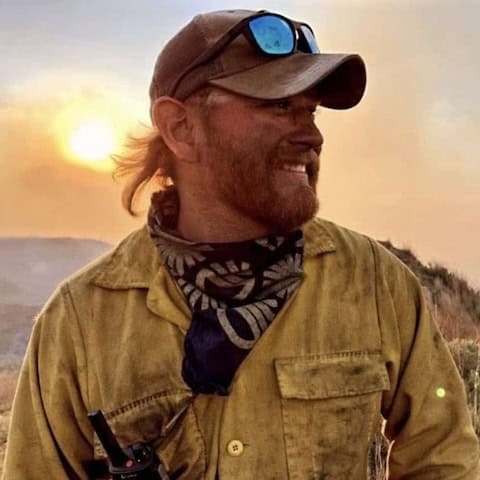
Dillon Fogarty, Assistant Professor of Rangeland Ecology, North Dakota State University

Just as the Dust Bowl shaped early grassland conservation in North America, woody plant encroachment is a defining challenge of modern grassland conservation.
Once established, woody encroachment can leave landscapes with 75% less forage for livestock production, little to no habitat for grassland wildlife, greater risk of large and catastrophic wildfires, and often a reduced supply of freshwater.
Woody encroachment is a biome-wide threat that fundamentally changes how people interact with the land.
Derek Tilley, Technology Transfer Specialist, WLFW Science Team at the University of Montana
Tree cover is increasing on nearly a quarter of all western U.S. grass and shrublands that were previously tree-free. Woody species are expanding by roughly 630,000 acres annually — that means we’re losing the equivalent area of Yosemite National Park to trees each year.
Over the past 30 years, an estimated 36.5 million acres of rangelands have transitioned to woodland.
This shift toward more woody species on open range threatens the productivity of western working lands that ranchers depend on, and degrades open grassland habitats that many wildlife species rely on.