Migratory Big Game Framework In Focus: Wildlife Conservation Through Sustainable Ranching
Learn more about WLFW’s new Migratory Big Game Framework for Conservation Action.
Where There’s Width, There’s A Way (For Big Game To Move)
May 20, 2026
New Video Shows An Overlooked Threat to Grasslands And Shrublands
June 5, 2026

The Migratory Big Game Framework for Conservation Action Details WLFW’s Approach to Conserving the West’s Iconic Big Game Species
The Migratory Big Game Framework for Conservation Action marks the third installment in Working Lands for Wildlife’s western conservation framework portfolio. Interwoven into this framework for big game migrations are lessons learned from 15 years of WLFW implementation, along with new science and technology to inform future delivery.
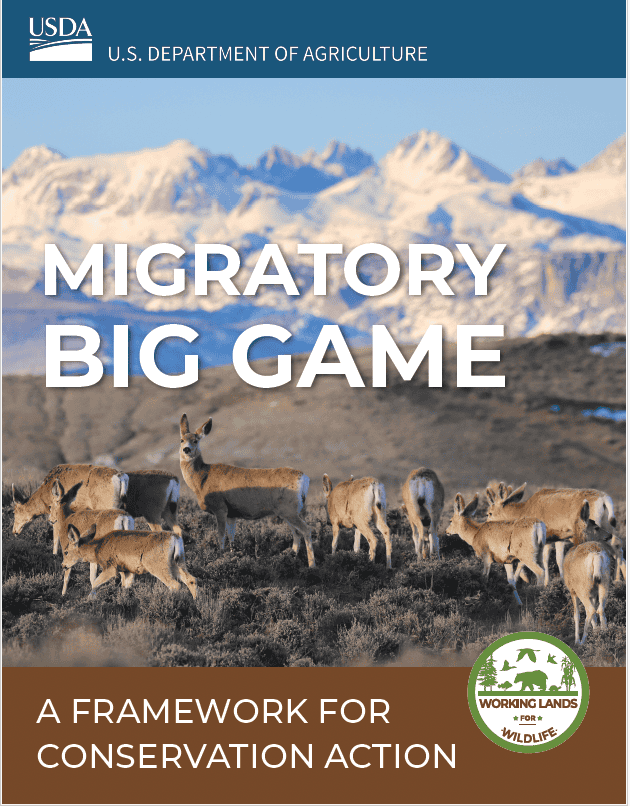
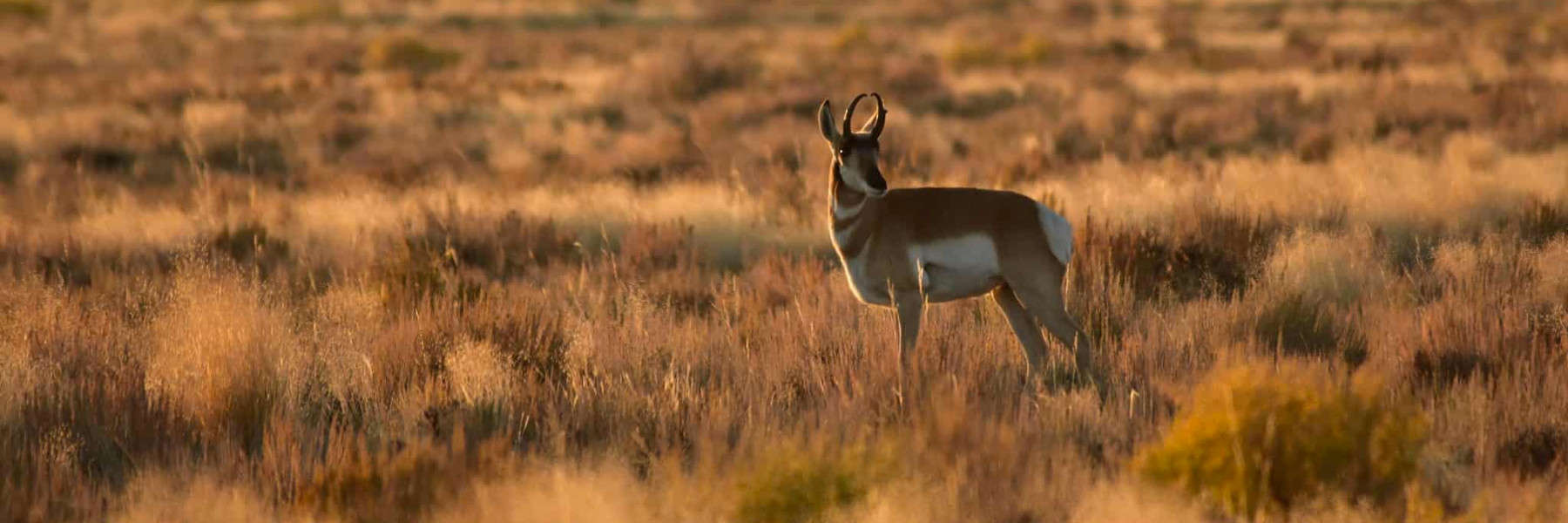
Migratory big game rely on large and connected landscapes to meet their daily, seasonal, and annual needs. Throughout the year, animals move through a diverse array of habitats — including forests, high deserts, desert shrubland, sagebrush communities, semi-arid grasslands, grasslands, and wetlands — because the highest quality forage for any given season is rarely contained within a single pasture, ranch, or landscape.
“Across the West, the future of iconic big game herds—elk, mule deer and pronghorn—depends on the health of our working lands,” said NRCS Chief Colton L. Buckley. “Privately owned lands provide the vital seasonal habitats and connectivity required to sustain these healthy, resilient herds.”
The conservation of migratory big game is governed by a unique division of responsibility known as the Public Trust Doctrine. Under this framework, wildlife are a Public Trust Resource, and the legal authority to manage these herds rests primarily with state fish and wildlife agencies.
Similarly, Tribal nations exercise inherent sovereign authority over wildlife and habitat within their borders. This Framework does not shift management authority; rather, it aligns USDA authorities to serve as the infrastructure to support state- and Tribal- identified conservation goals. By providing voluntary, incentive-based tools on private lands, the USDA helps states fulfill their trust responsibilities to all citizens.
The Framework provides a strategy for using Farm Bill resources, including NRCS programs, such as the Environmental Quality Incentives Program, Conservation Stewardship Program, Agricultural Conservation Easement Program and Regional Conservation Partnership Program, as well as FSA’s Conservation Reserve Program (CRP).

“This Framework represents a historic alignment, ensuring that the management authority of states is backed by the full strength and resources of the USDA to collaboratively conserve the West’s iconic migrations,” said Zach Lowe, Executive Director of WAFWA. “By investing in sustainable ranching practices, we are improving habitat quality, boosting rangeland resilience, and ensuring these iconic herds can continue to move safely across vast and open grazing lands.”
Through these programs, USDA provides assistance for delivering the Framework’s three strategies:
- Protecting Habitat and Connectivity: Voluntary conservation easements and CRP contracts help keep working lands intact, preventing fragmentation from development and securing movement corridors for future generations.
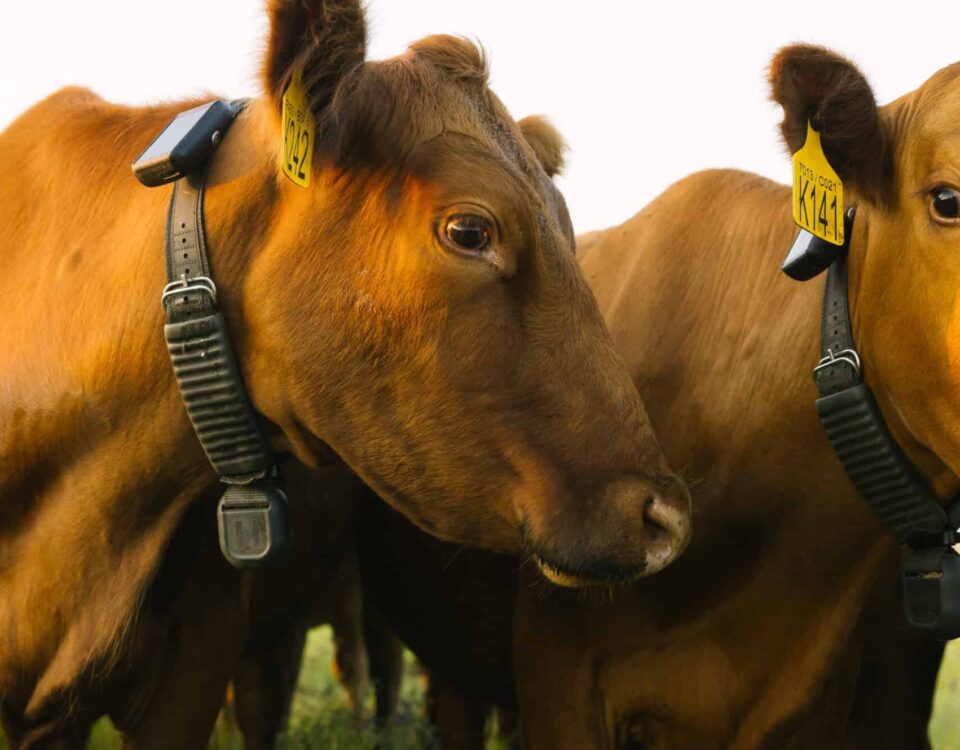
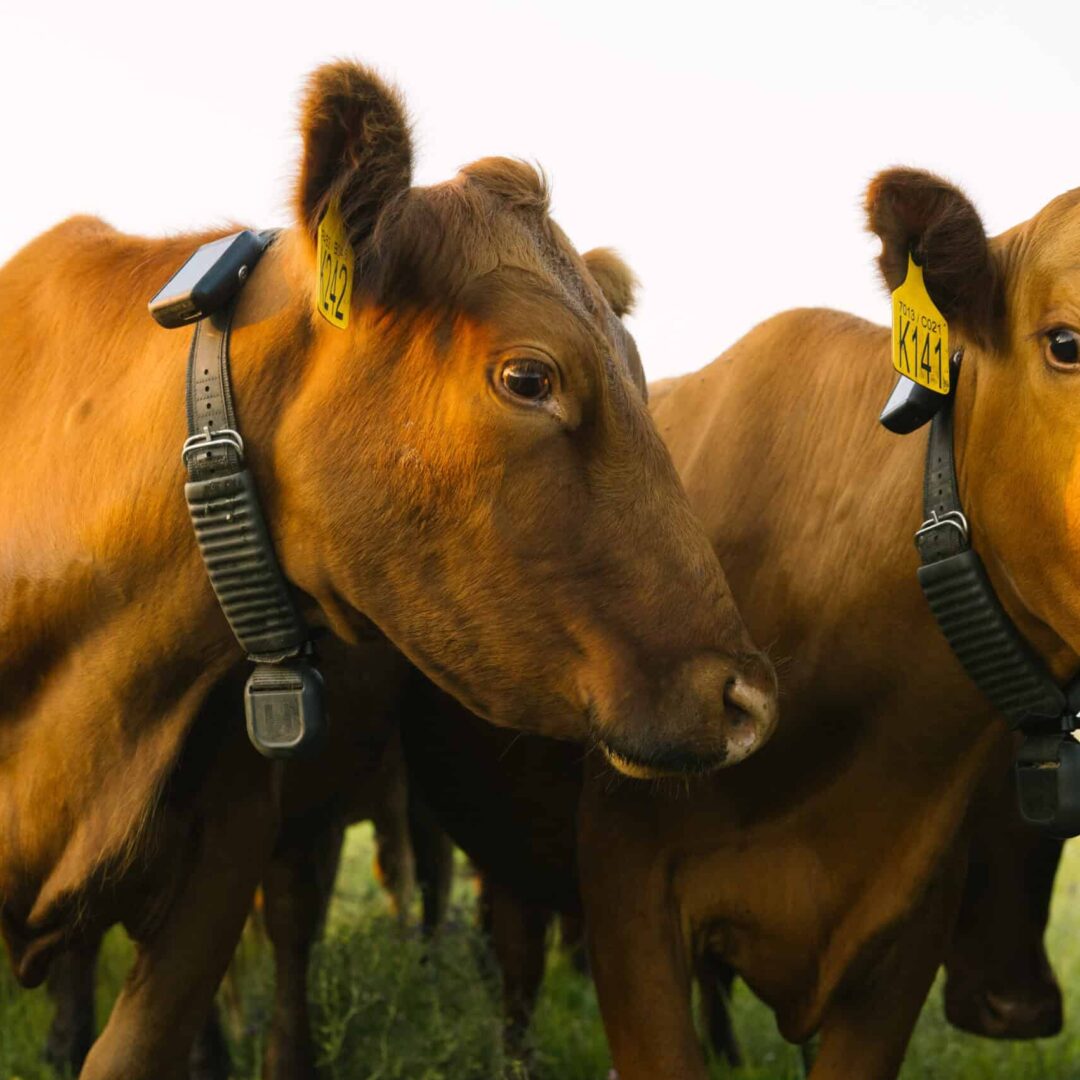
- Reducing Barriers to Movement: Modernizing fences is a centerpiece of the strategy, replacing hazardous designs with wildlife-friendly alternatives and, where possible, removing fencing entirely. The Framework also highlights emerging solutions like virtual fencing, which reduces conflicts between livestock management and wildlife migration while lowering costs for producers.
- Improving Habitat Quality: Actions include controlling invasive annual grasses, removing encroaching conifers, restoring mesic (wet) habitats, and improving forest health to boost forage and habitat quality on summer and winter ranges. These steps strengthen rangeland resilience, reduce wildfire risk, and maintain reliable water and forage sources critical to livestock and wildlife alike.
Spatial targeting lies at the heart of WLFW’s threat-reduction strategies, including this migratory big game effort. WLFW prioritizes proactive conservation in and around intact but vulnerable rangelands. This focuses efforts in places where they are more likely to be effective and cost efficient, rather than reactive responses in regions that are already highly degraded.
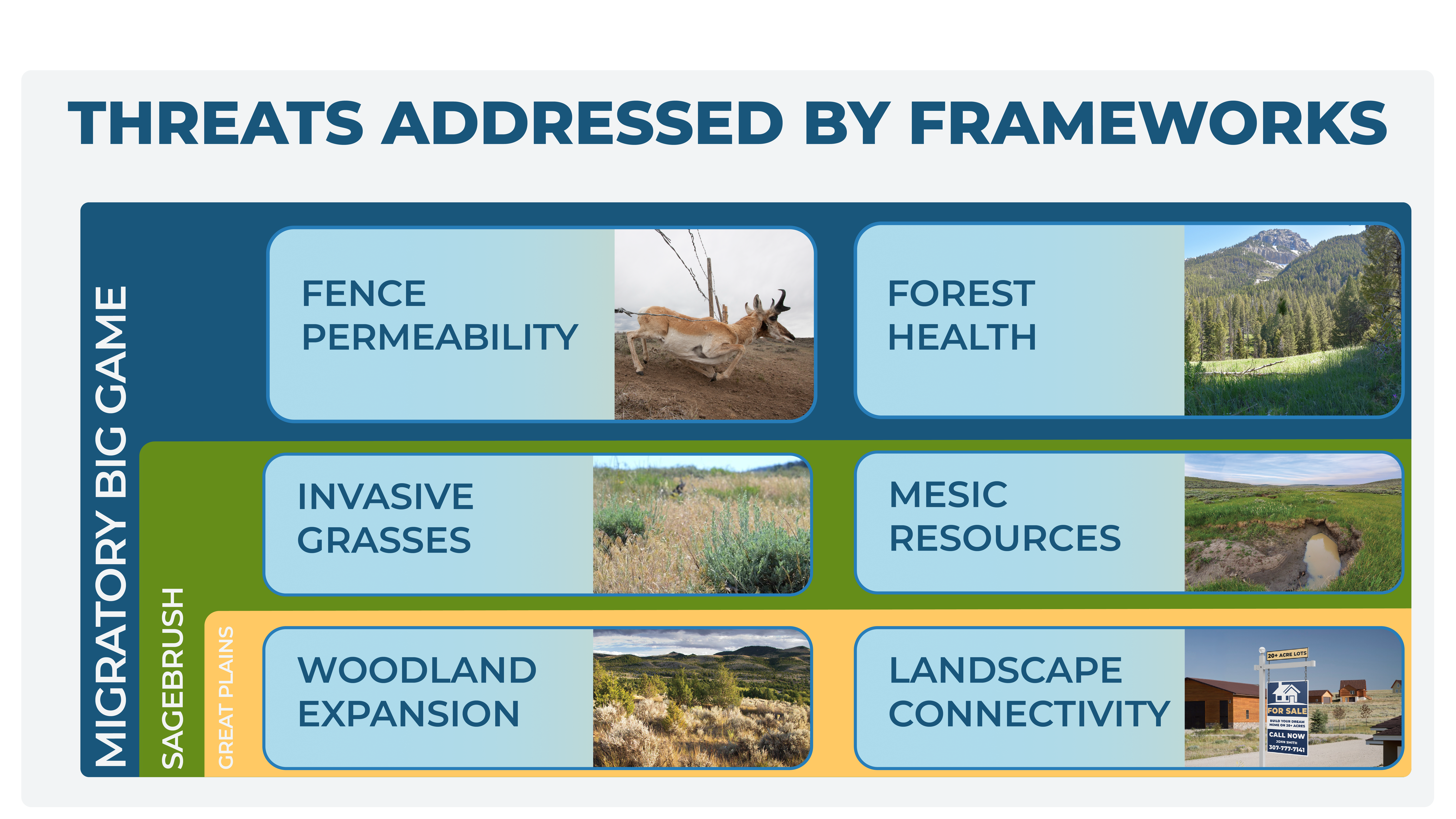
This Framework is designed to work in tandem with existing WLFW biome-based frameworks, which provide the foundation for large-scale habitat restoration. Several core threats to big game are already extensively addressed in the WLFW frameworks for the Sagebrush and Great Plains biomes. To avoid duplication and ensure a unified approach, conservation partners should refer to wlfw.org/landscapes for detailed roadmaps on the following:
- Land Use Conversion: Preventing fragmentation to maintain intact movement corridors and seasonal ranges.
- Invasive Annual Grasses: Conserving native forage and reducing wildfire risk.
- Woodland Expansion: Removing conifer encroachment to restore open and productive rangelands.
- Mesic Resources: Securing the “green groceries” for survival and raising young.
While biome strategies secure the ground beneath the herd, this Framework also addresses the specific, cross-cutting challenges that often sit outside of a single biome’s scope. By focusing on barriers to movement and forest health, the Framework addresses the final hurdles that support the full lifecycle of migratory big game.
- Barriers to Movement: Modernizing fencing infrastructure to facilitate safe and easy movement across landscapes.
- Degraded Forest Health: Restoring forest habitats to provide high-quality summer range nutrition.
States covered by this Framework include: Arizona, California, Colorado, Idaho, Kansas, Montana, Nebraska, Nevada, New Mexico, North Dakota, Oklahoma, Oregon, South Dakota, Texas, Utah, Washington, and Wyoming.
Next, USDA will incorporate the framework into the locally led process for prioritizing conservation in collaboration with SFWAs, federal land managers and other stakeholders. More details are forthcoming on how this will look in the Framework’s 17 states.