Guardians Of The Grasslands: The Ranchers Saving America’s Great Plains
Ranchers own the largest remaining parcels of intact grasslands. These agricultural landowners are the key to conserving America’s prairies.
America’s Tree Canopy, Now in 3D
July 22, 2026
Double C Cattle Company Reclaims Oklahoma’s Prairie With Prescribed Fire
August 18, 2026
Why Grasslands Matter
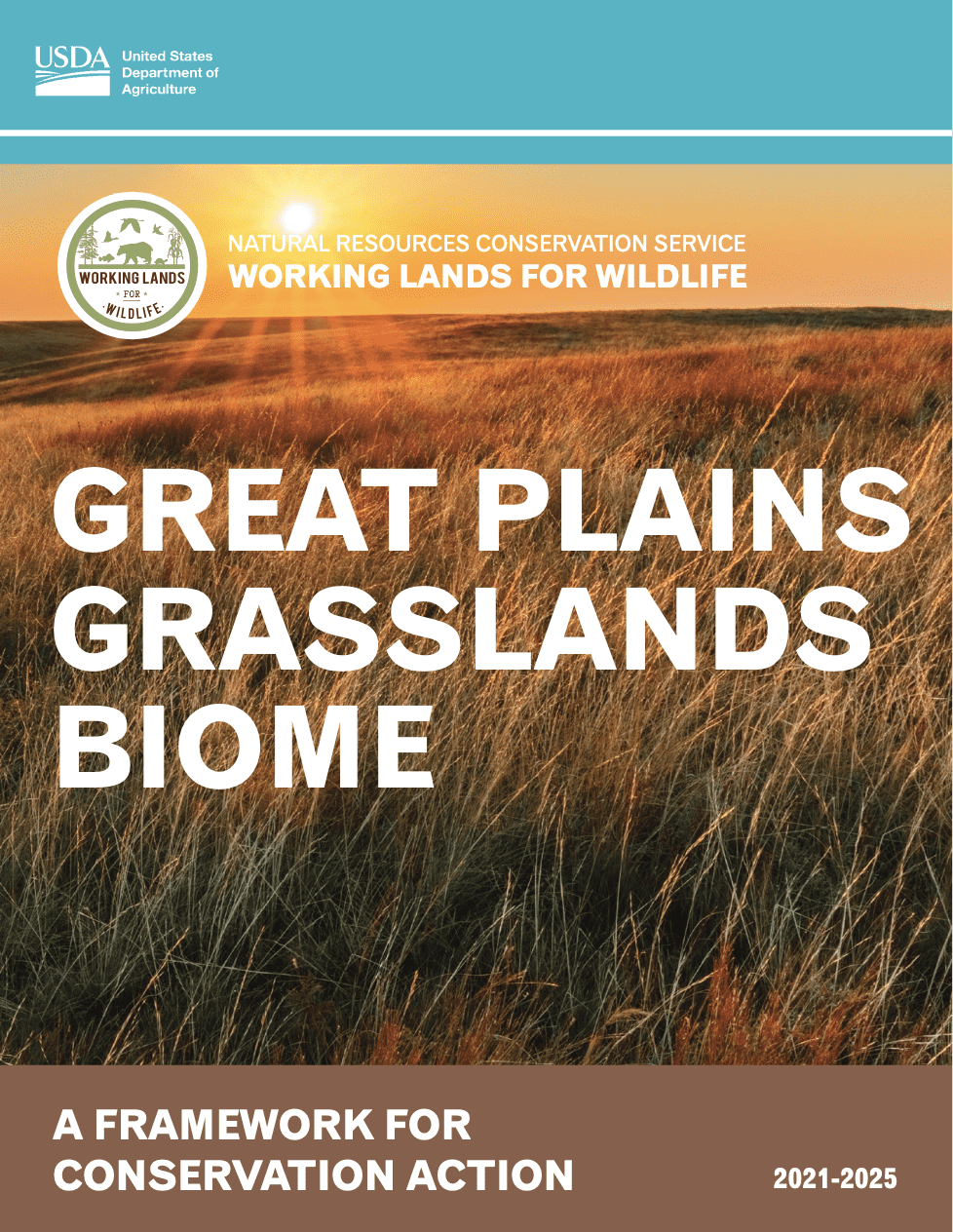
America’s grasslands are one of the largest and most diverse ecosystems on the planet. Rolling prairies cover nearly one-third of our country. They provide abundant water, rich soils, habitat for thousands of plants and animals, and soul-filling beauty.
But this remarkable landscape is disappearing fast. Grasslands are one of the most endangered and least protected biomes on Earth.
Even though America has some of the most intact grasslands left in the world, each year we lose another 1 million acres of grasslands, mainly to cropland conversion and encroaching trees.
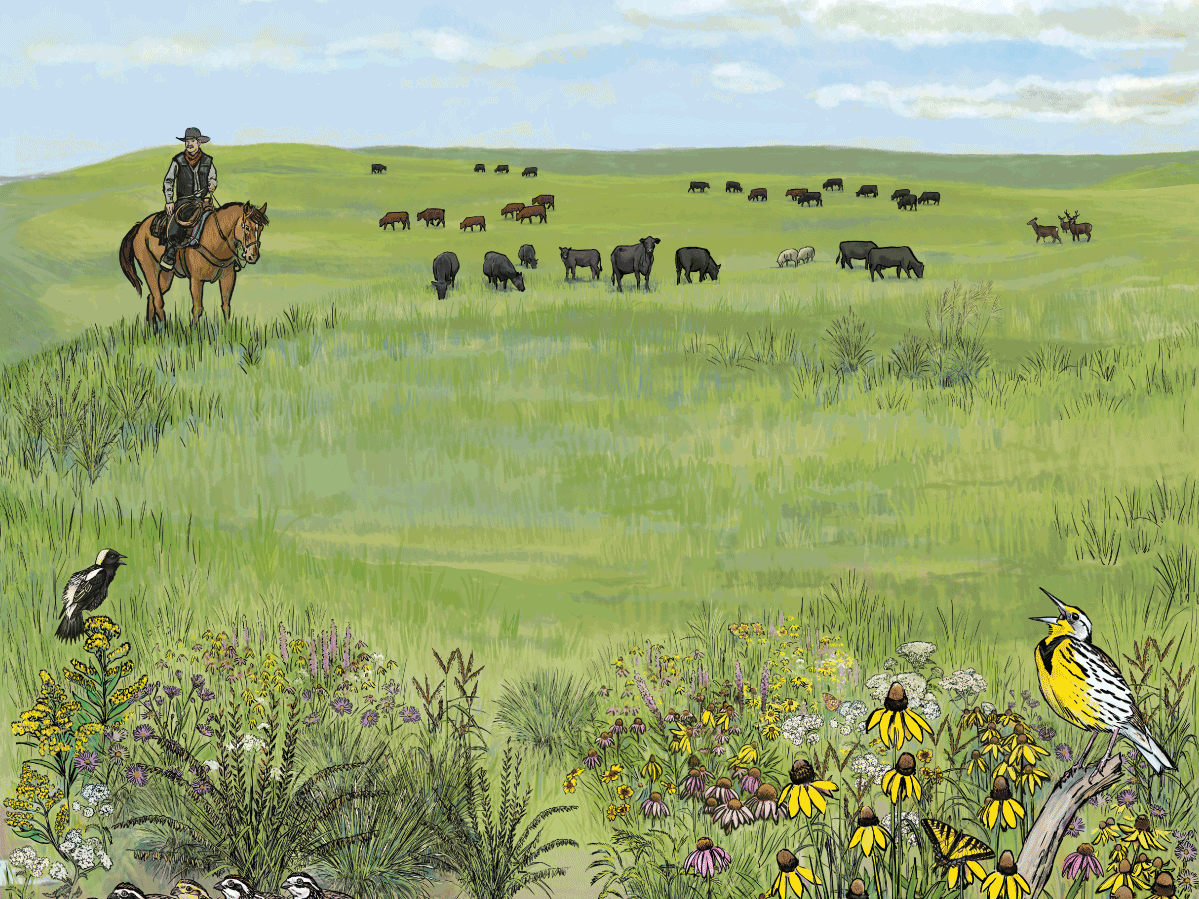
Working Lands for Wildlife conserves America’s working lands to benefit people, wildlife, and rural communities. Our voluntary, incentive-based solutions keep land profitable and productive. They also provide wildlife habitat, clean water, and healthy soils.
Ranchers Are Key To Conserving Our Remaining Prairies
More than 95% of America’s grasslands are privately owned—and ranchers own most of the remaining large parcels of intact prairie.
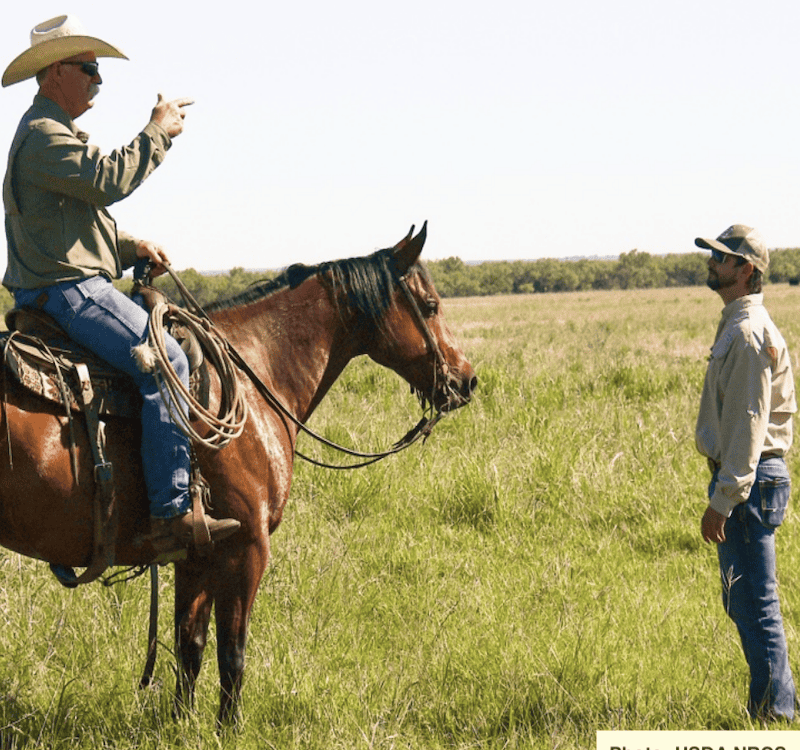
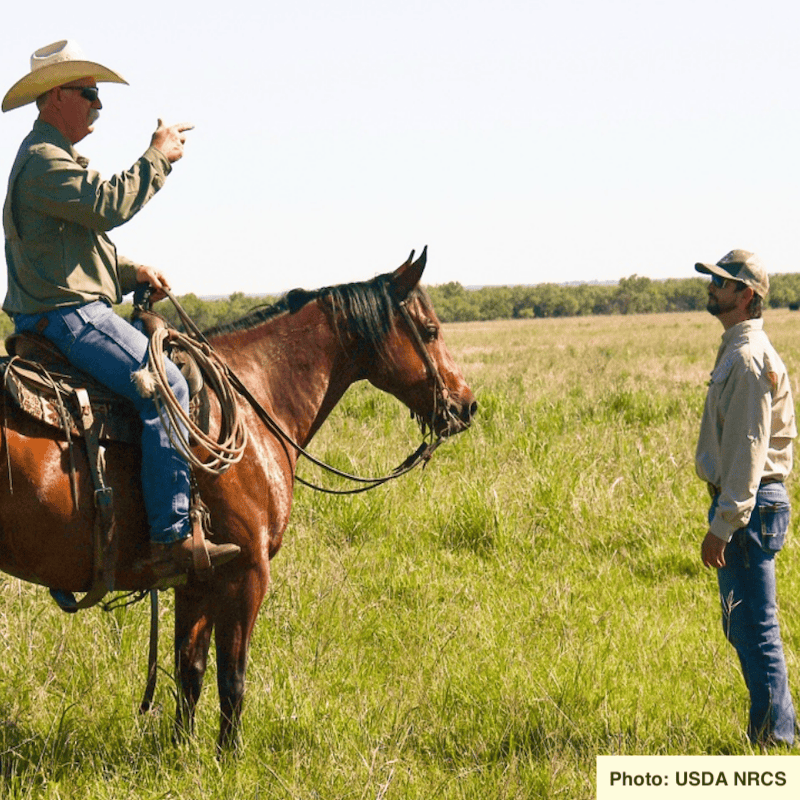
Fortunately, ranching and healthy prairies go hand in hand. Livestock like cattle and sheep graze on native plants, keeping grasslands productive and providing habitat for wildlife. Ranchers steward the land and water and provide America with meat and other resources like leather and wool.
Watch the videos below to hear from ranchers who are Guardians of the Grasslands:
Nebraska: Saving The Sandhills
Barb Cooksley understands the importance of keeping fertile grasslands intact and tree-free. She always travels through her pastures with a set of lopping shears and a collapsible handsaw to cut back any invading eastern redcedar trees.
“We’re one of the last intact grasslands left. If we lose this, it impacts our grazing and that impacts the consumers down the road,” says Barb Cooksley.
“We need to be able to utilize our grasslands to their fullest potential while also preserving them for future generations,” says Cole Mushrush.
Kansas: Virtual Fencing Preserves Praire
Chris and Cole Mushrush are pioneering virtual fencing technology to restore grasslands and maximize their pasture’s grazing potential. The livestock collars are working to repair eroding soils and heal streams in the Flint Hills.
South Dakota: Restoring Waving Grass
Mule Head Ranch is well known in South Dakota because of its size, heritage, and its abundance of wildlife and water. Landowner Tim Steil and managers Justin and Sarah Bailey battled back invading eastern redcedar trees to restore the land to its full, waving-grass glory, and to keep the prairie intact and profitable for livestock grazing.
“The backbone here is ranchers. If ranching goes away, the backbone of the community falls apart,” says Tim Steil.
“I like the idea of cleaning up your ground, seeing success and then continuing to go at the tree infestation. This program is helping us to meet that enemy as it’s coming at us,” says Scott Westrup.
Oklahoma: Goats, Shears, Fire And Teamwork
Scott Westrup was one of the first landowners in Oklahoma to sign up for the NRCS Great Plains Grassland Initiative to get rid of trees infesting his pastures. Neighbors in Oklahoma are cutting trees, grazing goats, and patch grazing.
Nebraska: Lighting A Match To Save Prairies
Rancher Sarah Sortum relies on her family’s native grasslands to feed their cattle herd, and also to support their nature-based tourism company. They use livestock grazing and prescribed fire as tools to enhance wildlife habitat.
“It’s hard to make yourself light that match. But after you see what happens, how great the grass looks and how the cattle love it, you know it was the right thing to do,” says Sarah Sortum.
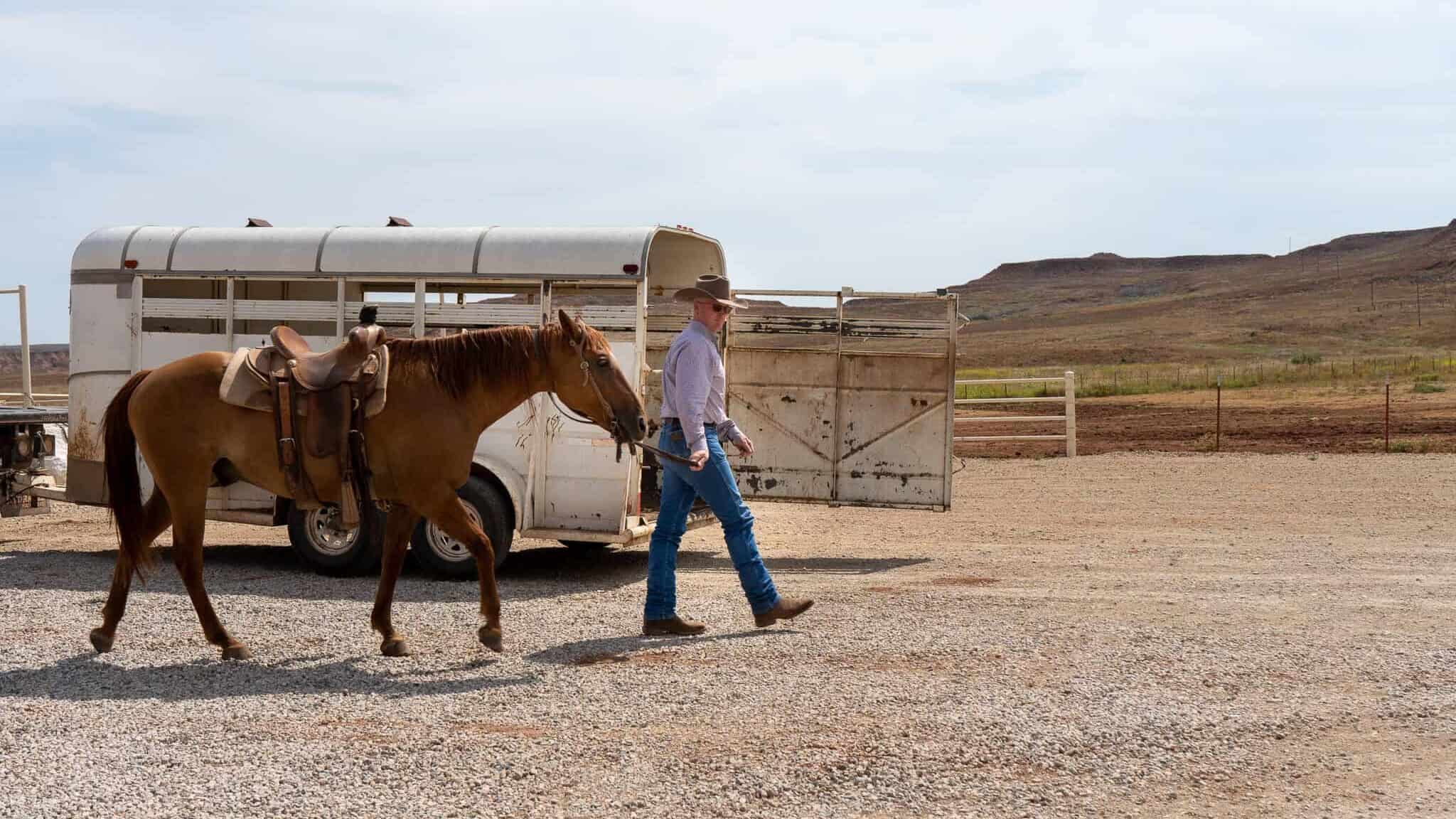
“Fire gave us a leg up in moving toward large areas of intact grassland,” says Dusty Tacha.
Kansas: Resetting The Gypsum Hills With Fire
Prescribed burns and wildfires, paired with strategic grazing and brush removal, have transformed the Nichols Ranch grasslands into a more profitable and productive place for livestock and wildlife.
Conservation Action In The Great Plains Grasslands
Healthy and resilient working rangelands in the Great Plains support wildlife and power grazing economies. Working grasslands support livestock alongside migratory big game, grassland songbirds, and recreation opportunities.
When we work to conserve and restore grasslands from North Dakota to Texas, we’re helping diverse wildlife and the hard-working families that have stewarded these lands for generations.
That’s win-win conservation at its best.