Fences Without Wire: Big Data and Smart Collars Are Transforming Rangelands
Virtual fencing paired with free satellite data is a high-tech way to address age-old grazing challenges.
Research Evaluates Indaziflam’s Efficacy In The Fight Against Invasive Annual Grasses
October 8, 2026
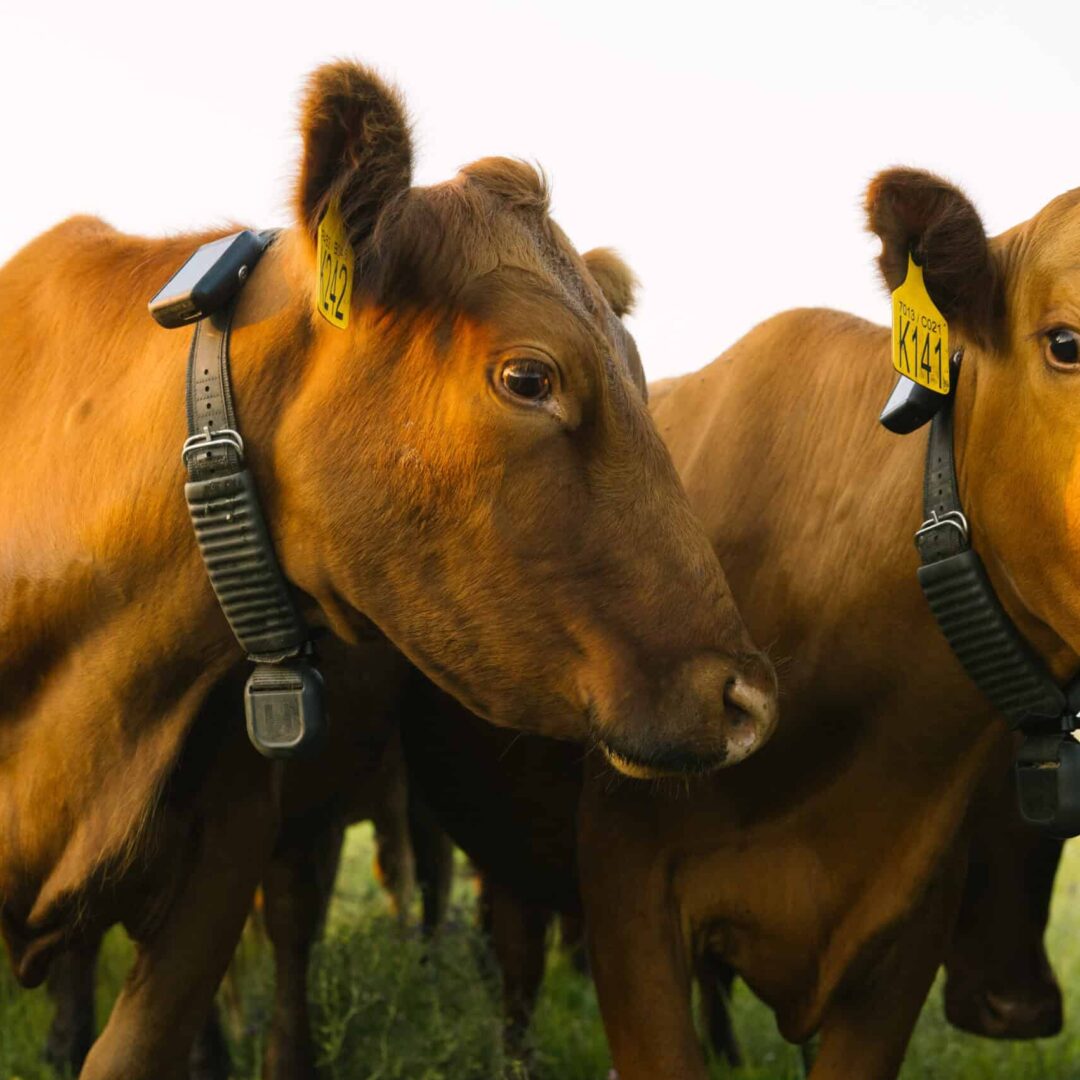
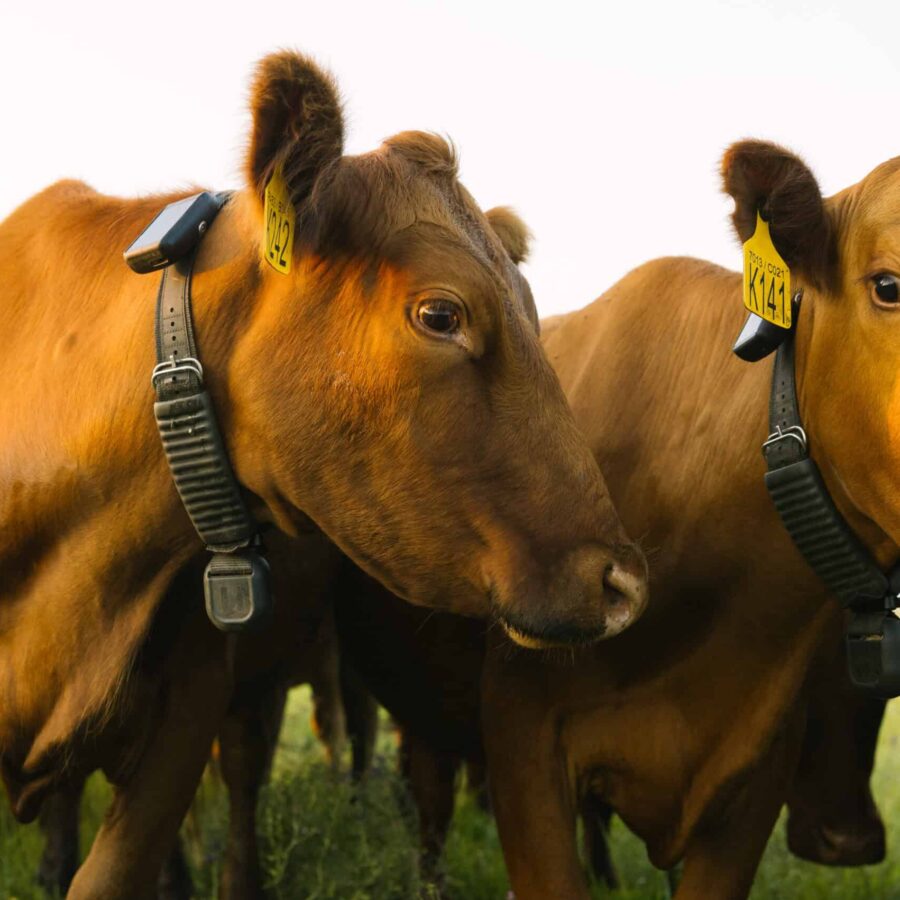
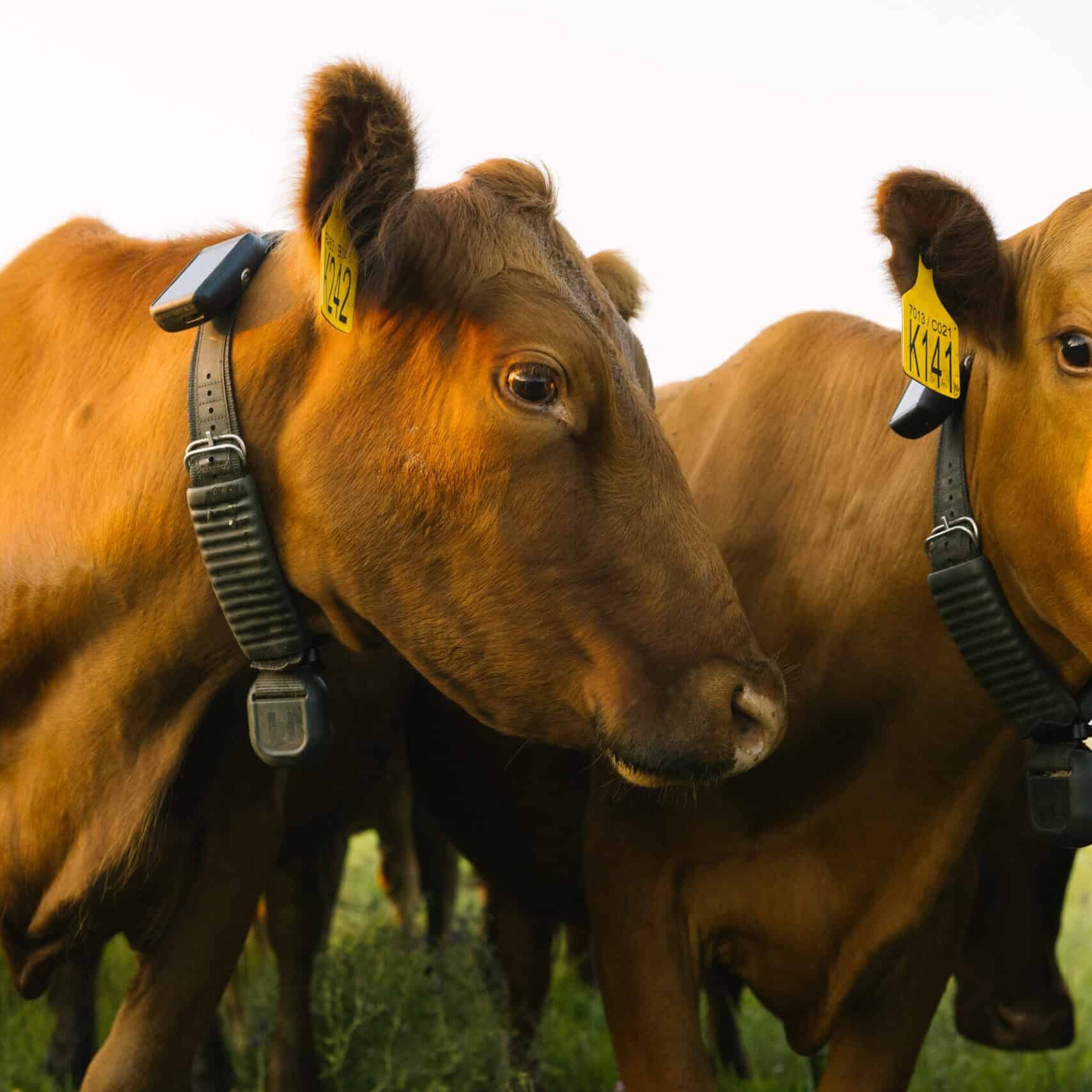
GPS collars cue cattle to stay within designated boundaries. This saves ranchers time and money. Photo: Halter
Kansas rancher Daniel Mushrush has tested virtual fencing on his family’s ranch in the Flint Hills for the past five years.
“It wasn’t very long before I was like, holy smokes, this is real. This is going to be something for us,” Mushrush says.
Virtual fencing is a high-tech way to address an age-old grazing challenge: how to move cattle most efficiently so they feed on the best grass.
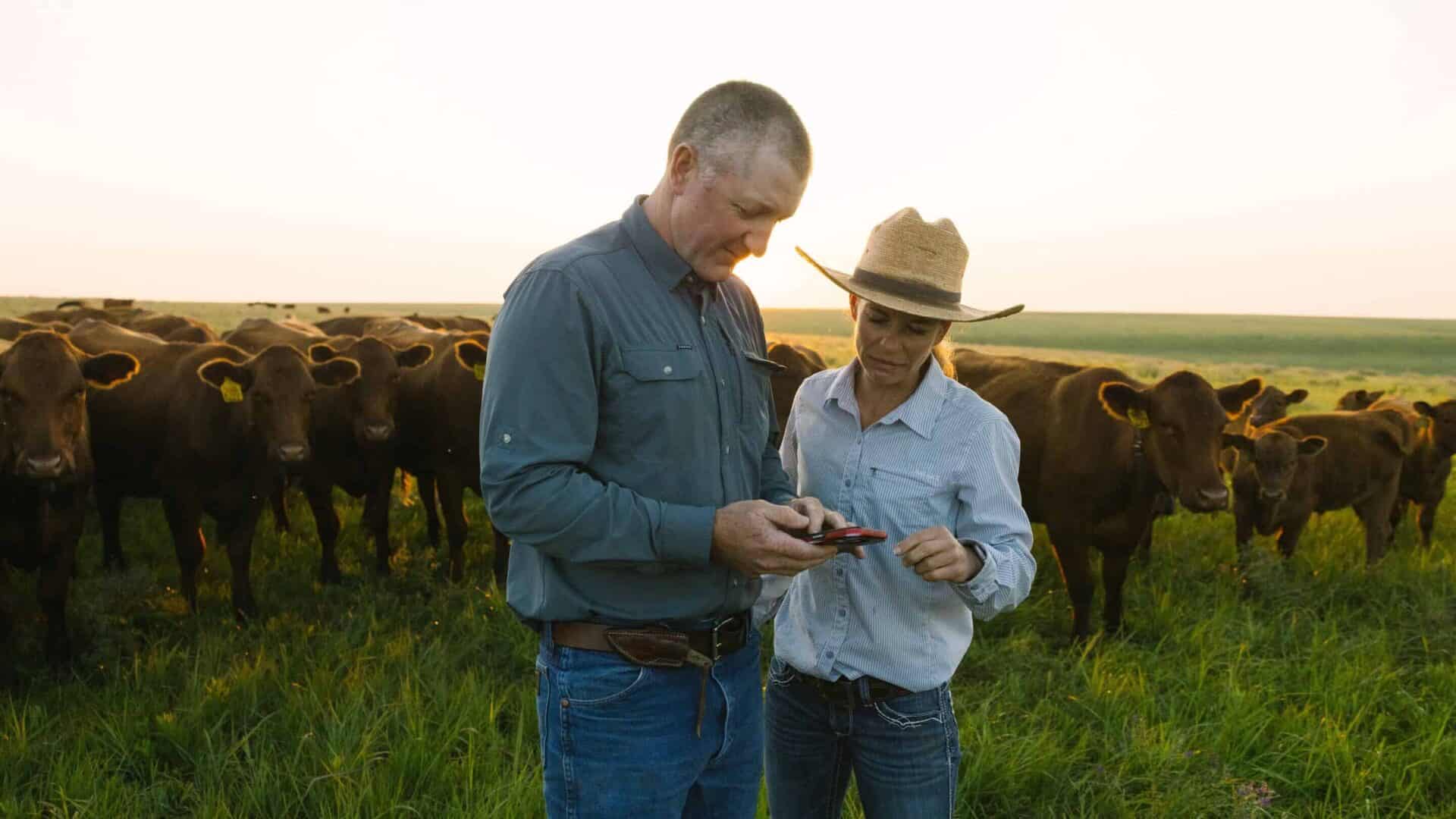
The Mushrushes’ cattle now wear GPS collars that cue the animals to stay in a designated area. Daniel and his brother can draw a boundary on a computer or a phone, and move cattle without having to physically rearrange fences. They can also monitor animals’ whereabouts virtually from an app on their phone.
“We were able to address our labor and capital challenges in a pretty big way,” Mushrush notes. “We’re a family operation, and that’s a light way of saying that we are starved of human resources—we don’t have enough hours in the day.”
Finding Efficiencies And Maximizing Production With Virtual Fencing
Virtual fencing technology saves time and labor for ranchers. It can be cheaper than building or replacing fences.
It also gives more grazing flexibility and improves soil health and water resources by more easily rotating cattle between pastures or excluding them from sensitive landscapes. This boosts the agricultural operations’ overall productivity.
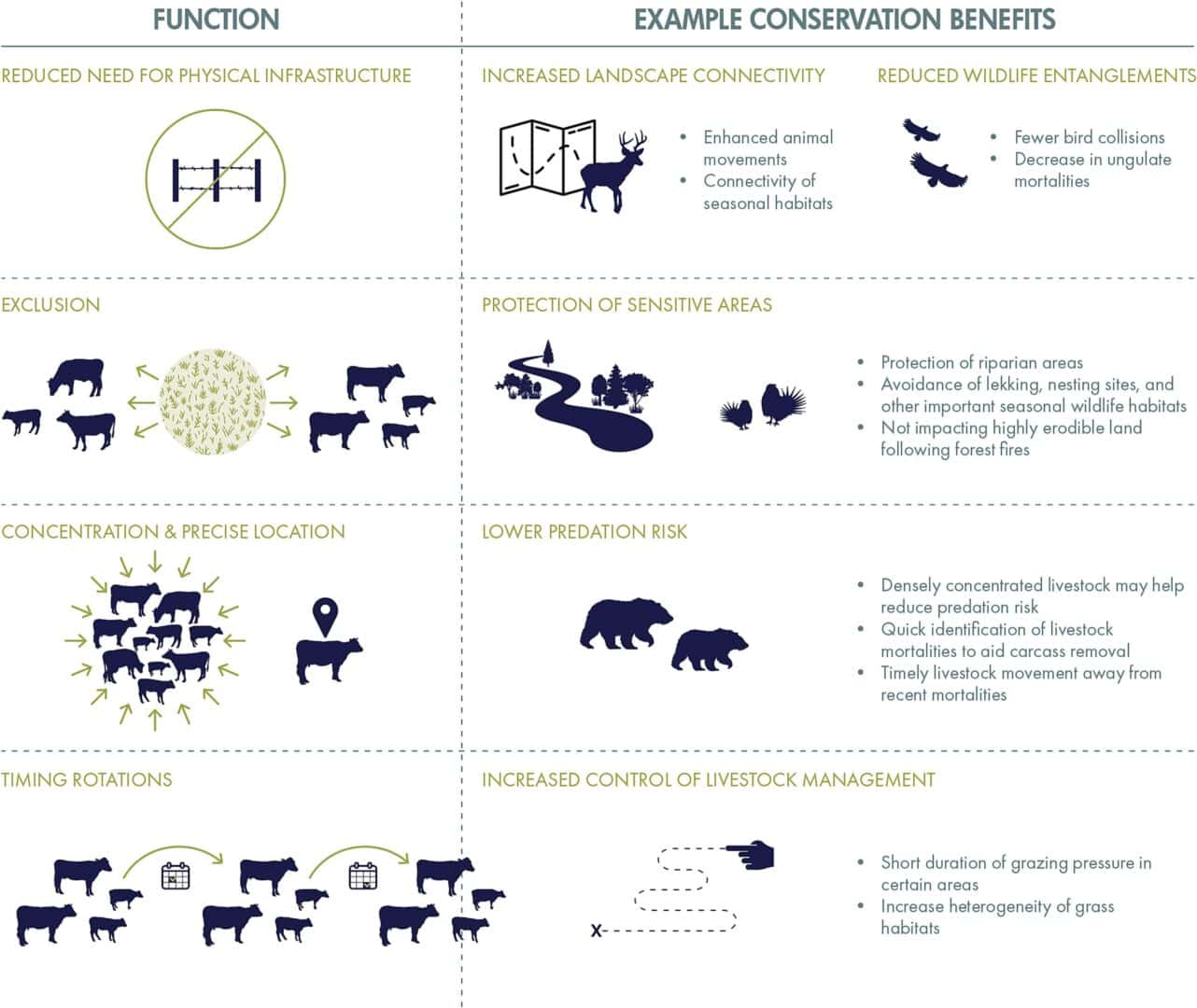
Wildlife benefit, too, since virtual fencing allows landowners to get rid of old fences that increase bird collisions or impede migrating big game. Conservation benefits of virtual fencing can include improved landscape connectivity, protection of sensitive areas, lower livestock predation risk, and increased control of livestock, according to research from WLFW’s migratory big game science advisor, Jerod Merkle.
“We have a variety of early adopters in Kansas who are recognizing the value of virtual fencing for managing their operations—not only from a herd health standpoint, but also from a grassland health standpoint,” says Dean Krehbiel, assistant state conservationist with Kansas NRCS.
From Satellites To Pasture—RAP’s Forage Data At Your Fingertips
The Mushrushes use collars from Halter, a virtual fencing company based in New Zealand that serves 3,500 customers worldwide with 1.5 million smart collars.
“Smart collars unlock massive potential for grazing,” says Toby Hurley, Halter’s director of product. “You can control grazing in places where physical fencing just isn’t a viable option, like on rocky terrain. With satellite technology, you literally put collars on your cows and you can use the system straight away.”
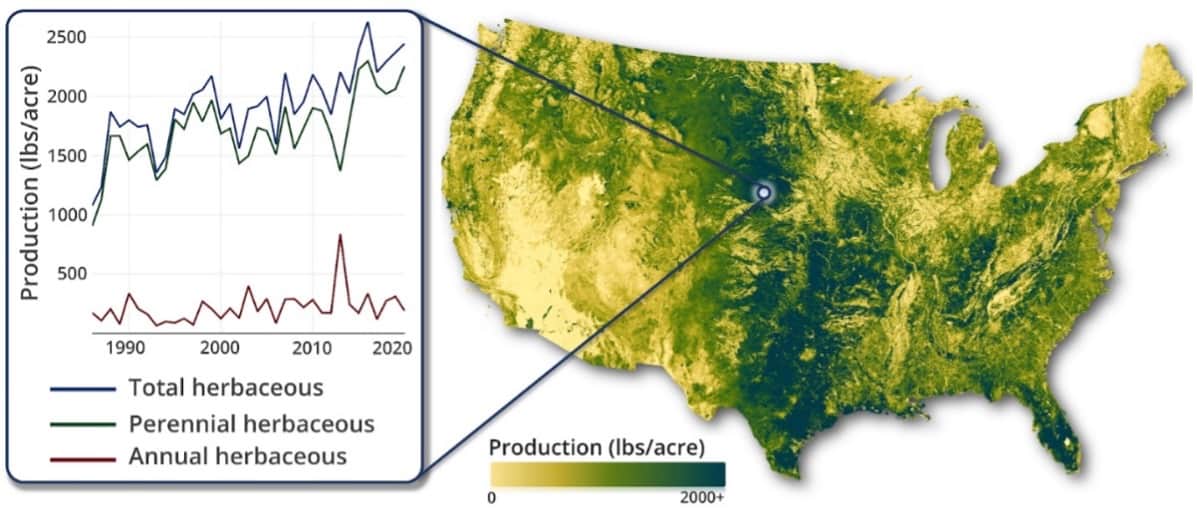
Halter is also integrating vegetation data from the Rangeland Analysis Platform (RAP) into its software to help ranchers make even more precise grazing decisions.
This free online mapping tool quickly shows how much forage an area produces, as well as how forage has changed over the past 40 years. It was developed by the USDA-NRCS Working Lands for Wildlife, the USDA Agricultural Research Service, the Bureau of Land Management and the University of Montana. This publicly funded dataset is powering innovations in the commercial sector, as well as helping agricultural producers with their operations.
“RAP is a really awesome tool for the United States,” says Hurley. “We’re trying to create leverage out of that forage data for ranchers looking to see how many cattle an area can support.”
For Daniel Mushrush, having historic and current forage data at his fingertips allows him to better respond to challenges like drought, or track how pastures are faring after different treatments like prescribed fire.
“I can look back and see at what point could I have hit the wean button or the de-stock button a little sooner to get ahead of the curve,” Mushrush says.
Ranchers’ Knowledge: The Most Valuable Asset
Technology will never replace the knowledge ranchers have built over generations. It can, however, reveal patterns in how the land is changing and how livestock are using the land. It’s the people on the ground who provide context for what those patterns mean for each individual operation.
“We’re taking ranchers’ leads,” Hurley says, regarding the company’s focus on developing technology that fits landowners’ needs.
For the Mushrush Ranches in Kansas, virtual fencing has helped “squeeze more value” from already productive rangelands, Daniel says.
“You’re going to be able to use the hours you have more efficiently,” says Daniel Mushrush. “Virtual fencing helps you use your land better.”