How To Talk To Texans About Trees: Communications Resources For Woody Encroachment
Grassland conservation works best if professionals start by listening to landowners in the Southern Great Plains, says new research from Playa Lakes Joint Venture.
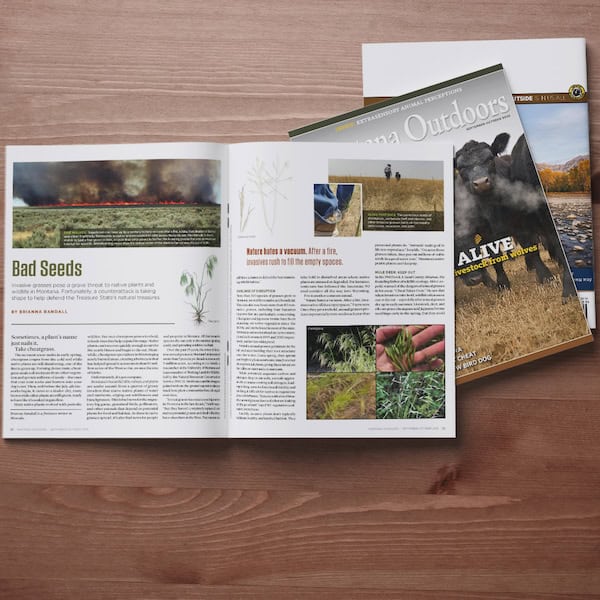
Bad Seeds: Invasive Annual Grasses Threaten Rangeland In Montana
September 14, 2026
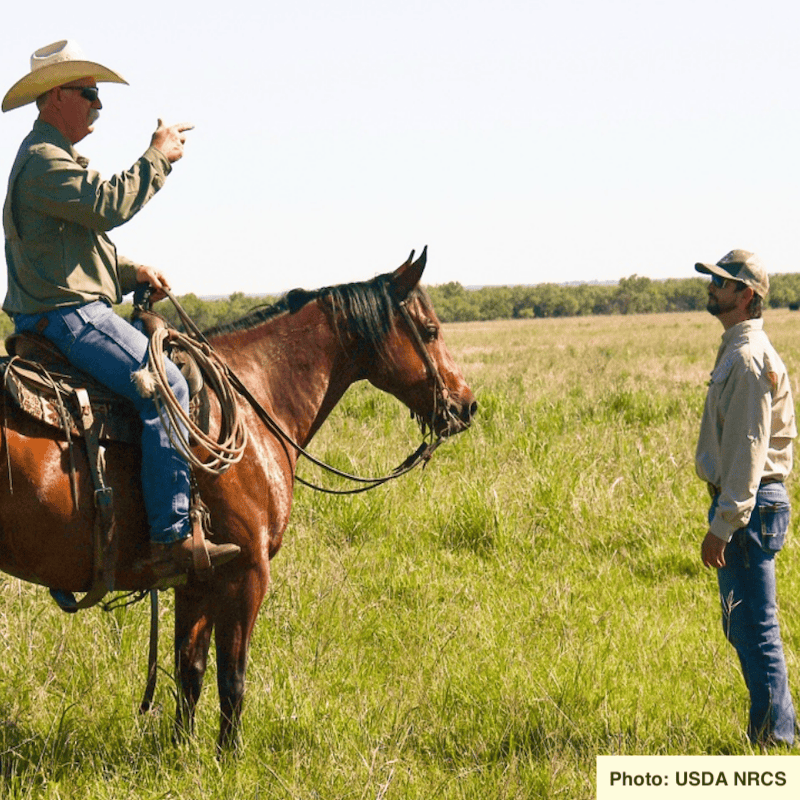
To keep America’s grasslands healthy and manage threats like woody encroachment, it’s vital to talk to the landowners who care for rangelands. New research describes the best way to speak with prairie landowners about conservation.
The Playa Lakes Joint Venture (PLJV) launched a social science research project to learn what motivates landowners to tackle woody encroachment in the Southern Great Plains. The research was supported by a Conservation Innovation Grant from the USDA’s Natural Resources Conservation Service.
Through a series of interviews, focus groups and surveys, landowners answered questions about what prevents them from taking action, who they trust, and which messages resonate.
The PLJV’s website, training webinar, and guides for Texas, as well as Kansas and Oklahoma, help conservation professionals communicate more effectively with landowners about woody encroachment.
Start With The Landowner’s Goals
The main recommendation is simple: listen before offering advice.
The most successful approach to managing woody species is to first ask landowners about what success looks like to them on their property, what they have tried in the past, and what barriers are preventing them from trying something new.
Each agricultural operation has different goals, and it’s important to understand these before creating a plan to manage woody species. For instance, a producer might raise cattle while also leasing land for recreational hunting. Some ranchers want to retain native woody vegetation for wildlife, shade or aesthetics, while controlling species they consider undesirable.
Once an individual’s goals are clear, professionals can more easily match tools, programs, and assistance to meet the landowner’s needs.
Texas landowners mentioned a variety of motivations for managing woody species. These include increasing forage production, improving water infiltration and soil stability, maintaining ranch viability, improving wildlife habitat, and feeling proud of and attached to their land.

Speak The Local Language
The social research from Texas shows that terminology also matters.
In Texas, for instance, landowners commonly referred to woody plant removal as brush management or brush sculpting. When conservation professionals understand and use the words producers resonate with, they establish credibility.
This also applies to using the same language as ranchers when referring to the specific woody species found in an area. Don’t focus on eastern redcedar if the rancher is most worried about mesquite, for instance.
Texas landowners also preferred messages that emphasized water savings over cost savings. The favorite message tested on landowners was: “Your operation runs on rainfall. What do you want it to grow?”
Pinpoint Barriers Before Recommending Solutions
Conservation works best if professionals first understand what is preventing a producer from taking action on woody encroachment, according to the new research.
Prescribed fire was one of the main barriers reported by surveyed landowners. Ranchers were concerned about legal and ecological risks, high upfront costs, and narrow weather windows. For mechanical removal, landowners cited fuel and labor costs as barriers.
Knowing these barriers allows professionals to recommend the right solution. This might be locating funding for chemical treatments or chainsaws, or it might be introducing the landowner to local burn associations to access trainings and shared fire equipment.
The guide breaks management into three stages: encouraging actions, building behaviors, and maintaining routines. It notes how important it is to follow through on any commitments to landowners, including helping ranchers navigate paperwork and deadlines for conservation programs.
Building Conservation Behaviors And Long-Term Relationships
The communications resources from PLJV emphasize relying on landowners’ experience and knowledge about their rangelands. Conservation professionals should act as advisors rather than decision-makers, respecting ranchers’ expertise while providing information based on current science.
Woody plant management in the Southern Great Plains is an ongoing process rather than a one-time treatment. This requires a long-term relationship between ranchers and conservation professionals who are united in working toward the goal of healthy rangelands.
Building a trusting, lasting relationship with a landowner is more valuable than convincing a producer to enact a single project. These relationships lead to long-term resource conservation with sustainable management practices that span decades and benefit everyone involved.
For conservation professionals, the takeaway from PLJV’s research is clear: effective conservation starts with understanding the person who will implement it. One of the most powerful tools for keeping grasslands intact is honest and clear conversation.
Working Lands For Wildlife Resources
WLFW also has helpful resources that complement the PLJV’s resources. These guides detail science-backed approaches for managing woody species in the Great Plains:
- Reducing Woody Encroachment in Grasslands: A Pocket Guide for Planning & Design
- Reducing Woody Encroachment in Grasslands: A Guide to Understanding Risk and Vulnerability
Ultimately, there is not a single approach for working with landowners—different landowners have different operations and goals. Using resources like these can jumpstart successful conservation that helps us all reach the scale we need to save America’s grasslands.