Working Lands for Wildlife conserves America's working lands to benefit people, wildlife, and rural communities.
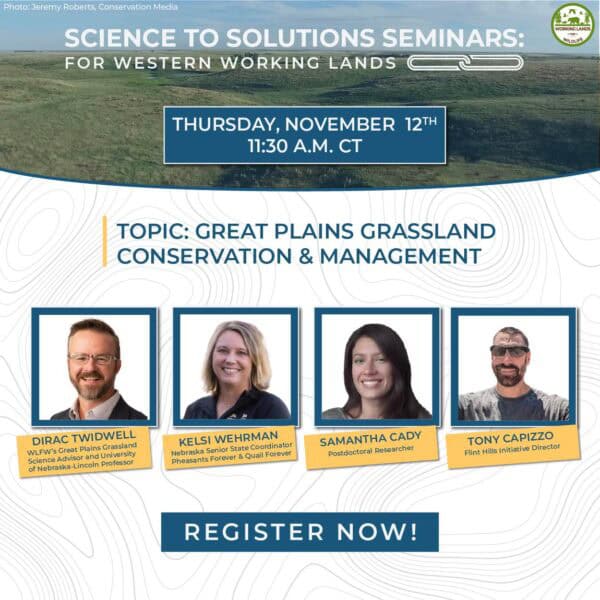
Join us November 12 at 11:30 CT for our ongoing seminar series. This seminar will focus on conservation and management updates from the Great Plains.
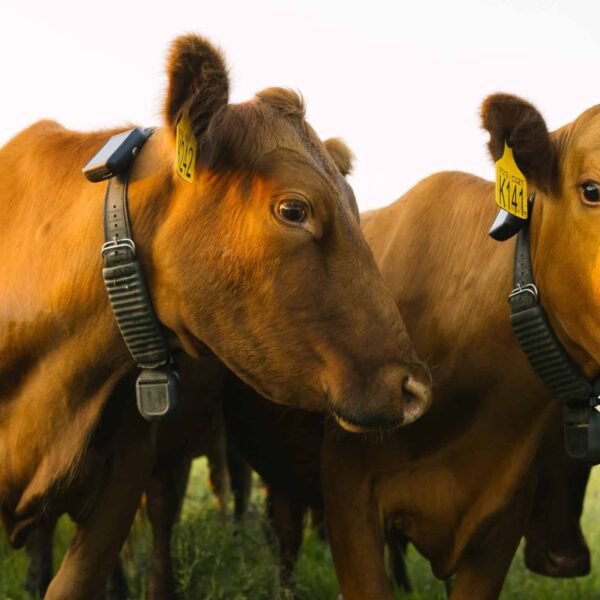
Virtual fencing paired with free satellite data is a high-tech way to address age-old grazing challenges.
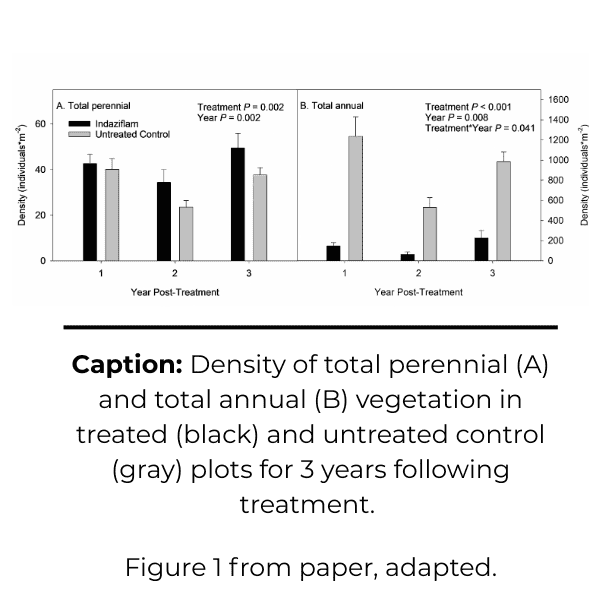
New research shows indaziflam's efficacy for treating annual invasive grasses while boosting perennials, bare ground, and soil biocrusts.
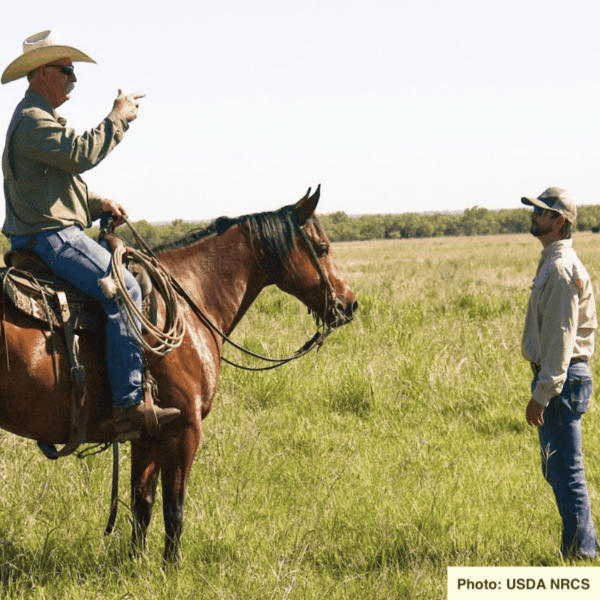
Grassland conservation works best if professionals start by listening to landowners in the Southern Great Plains, says new research from Playa Lakes Joint Venture.
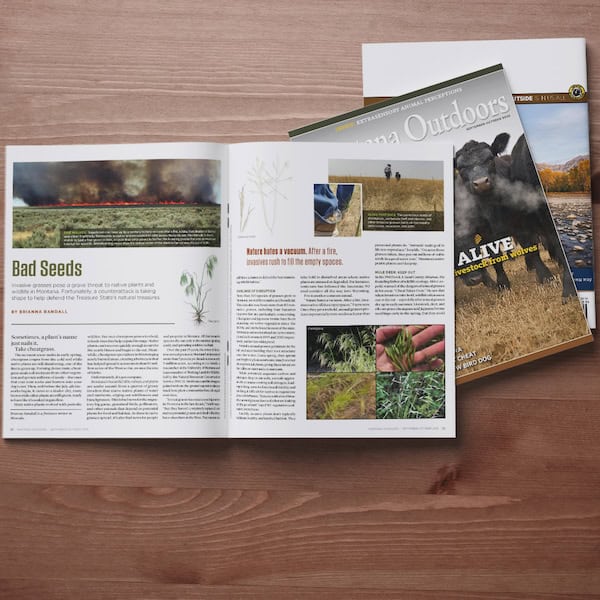
A feature published in Montana Outdoors shows how partners are defending native plants in the Treasure State from invading grasses.

WLFW-affiliated research into trends in mesic resource productivity shows that agriculture, especially flood irrigation, is helping sustain mesic resources across sagebrush country.
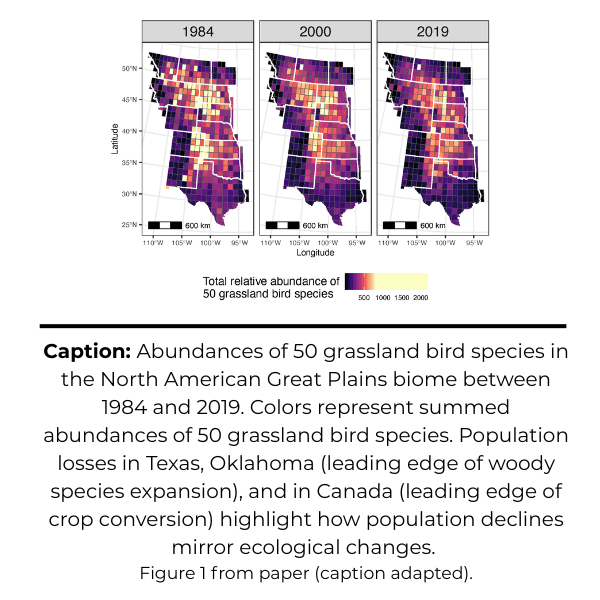
Recent research highlights that growing or stable populations of grassland bird species are found in intact grassland cores while population declines mirror spatial patters in woody plant expansion and land-use conversion.
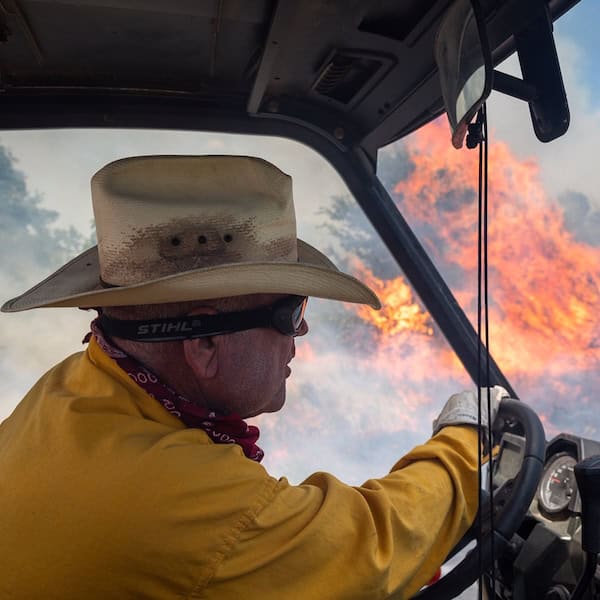
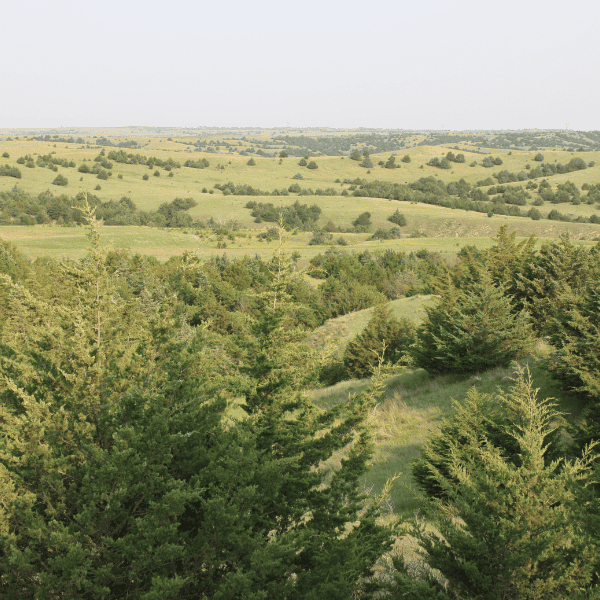
The Coffey family models how to keep prairies healthy and ranches productive by using prescribed fire to beat back encroaching cedar trees.
a shared vision
We keep working lands intact, productive, and profitable...
Private agricultural lands supply our nation's food and fiber. They also provide vital habitat for wildlife to roam, support rural communities, and safeguard our water and soils.
WLFW offers a new paradigm for conserving working landscapes through voluntary cooperation and incentives. This approach is tailor-made to meet the needs of focal species and individual landowners in target landscapes.
Conservation contracts
Acres conserved
States where WLFW works
Frameworks for Conservation Action
WLFW's Frameworks for Conservation Action provide the common vision and coordination to address resource concerns and ecosystem threats across entire biomes, while maximizing local decision-making and flexibility in program delivery. The frameworks target the most severe and large-scale drivers of biome-level degradation.
The sagebrush biome is the largest single habitat type in North America
Healthy, resilient, and productive working rangelands are critical to vibrant communities, wildlife, and the Western way of life.
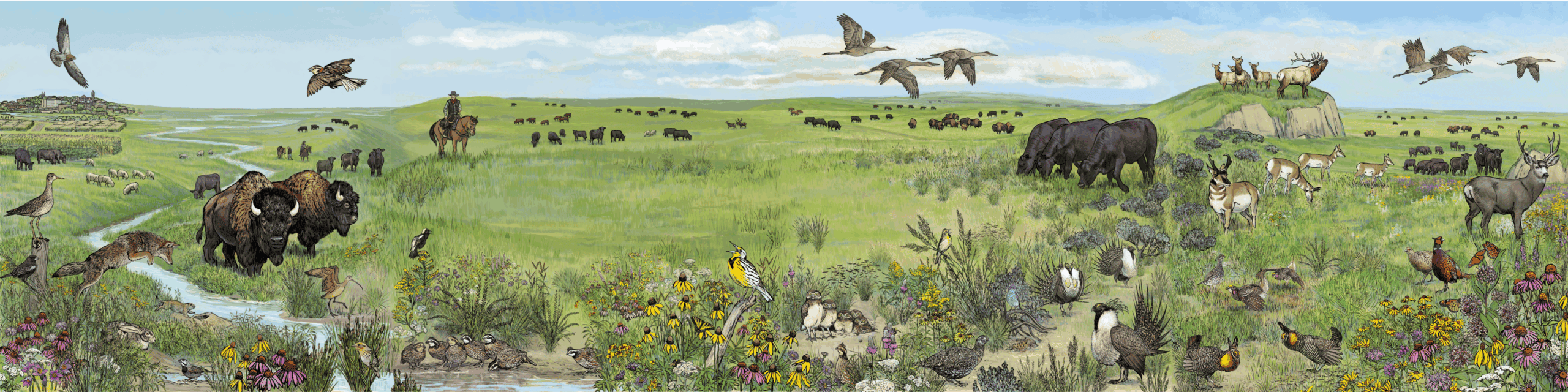
The grasslands of America's Great Plains provide food and fiber to the entire nation.
With more than 90% of the Great Plains in private ownership, partnering with landowners is essential.
The West's migratory big game are icons of the wide open rangelands that define this region.
They rely on large and connected landscapes to meet their daily, seasonal, and annual needs.
From livestock to crops, America’s central and eastern grasslands and savannas are some of the country's most productive agricultural lands.

“We were cutting more and more trees every year and we felt like we were losing. The NRCS and Working Lands for Wildlife have given us a way to make strategic wins, so that we can actually see progress and know that we are making a difference on the landscape.”
Chris Mushrush, Rancher and WLFW Participant