Kansas Grasslands At A Crossroads: Ranchers Help Chart Path Forward
A 2026 issue brief from Kansas elevates the value of grasslands to agriculture and the public. It also prioritizes actions to conserve these grasslands before they disappear.

New Guides-Reducing Conifer Encroachment in Western Rangelands
February 11, 2026
What’s The Probability Of A Rangeland Fire In The Great Basin In 2026?
March 12, 2026

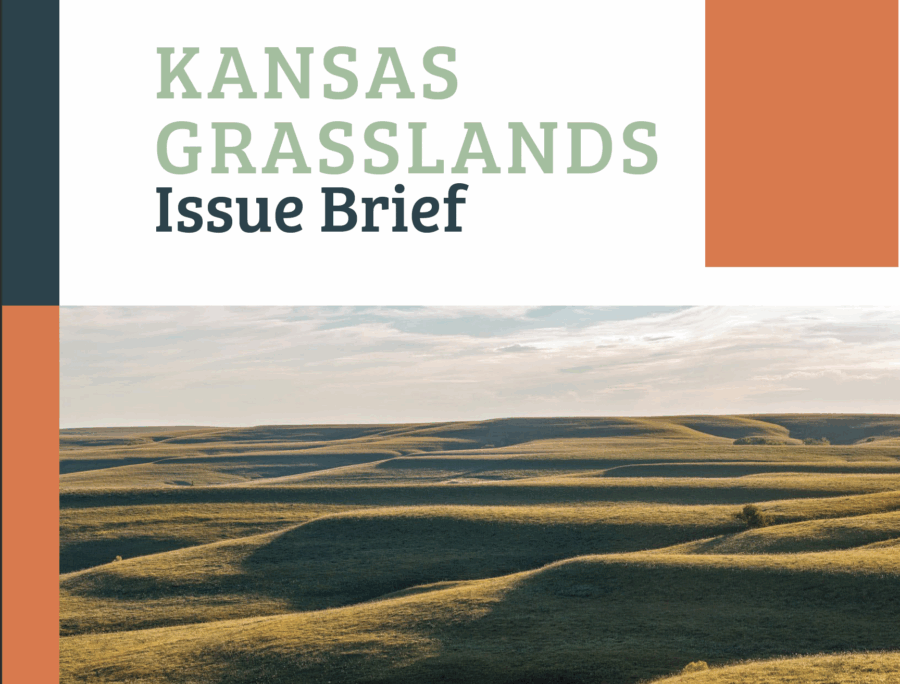
New Report Highlights Kansas Grasslands
Kansas holds some of the last great grasslands on earth. Nearly one-third of this Great Plains state, or 15.8 million acres, is covered by prairies. This includes iconic, economically productive regions like the Flint Hills, Smoky Hills, Gypsum Hills and High Plains.
Privately owned grasslands are the backbone of the Kansas’ beef industry, the state’s largest agricultural sector. Plus, these grasslands safeguard the state’s water and soils, provide wildlife habitat and recreation opportunities.
A new issue brief from the Kansas Department of Agriculture and the Kansas Association of Conservation Districts warns that these working prairies are disappearing at an alarming rate.
The report outlines specific action steps to stem grassland loss and conserve Kansas’ vital grazing resources. It also serves as a broader call to action for other states across America’s Great Plains, one of the most threatened and least protected ecosystems on the planet.
“Everyone who drinks water or breathes air needs to be aware of the role of grasslands.” -Rancher from Kansas’ Gypsum Hills quoted in report
Grassland Loss Threatens Economy And Ecosystem
The two main threats to grasslands in the Great Plains, including in Kansas, are: (1) encroaching trees and brush that overtake productive prairies, and (2) plowing up native grasses to convert land into crops.
Kansas is losing an estimated 1.9 billion pounds of forage annually due to the encroachment of woody species onto grasslands. That’s the equivalent of 1.6 million round bales of hay, enough feed for 157,000 cows for an entire year. Grassland health is directly tied to the health of Kansas’ beef industry, which helps feed millions of Americans.
Ecosystem services also take a hit when grasslands disappear. Intact native grasslands improve water quality, water storage and streamflows. They also prevent soil erosion and support pollinators, according to research cited in the new report.
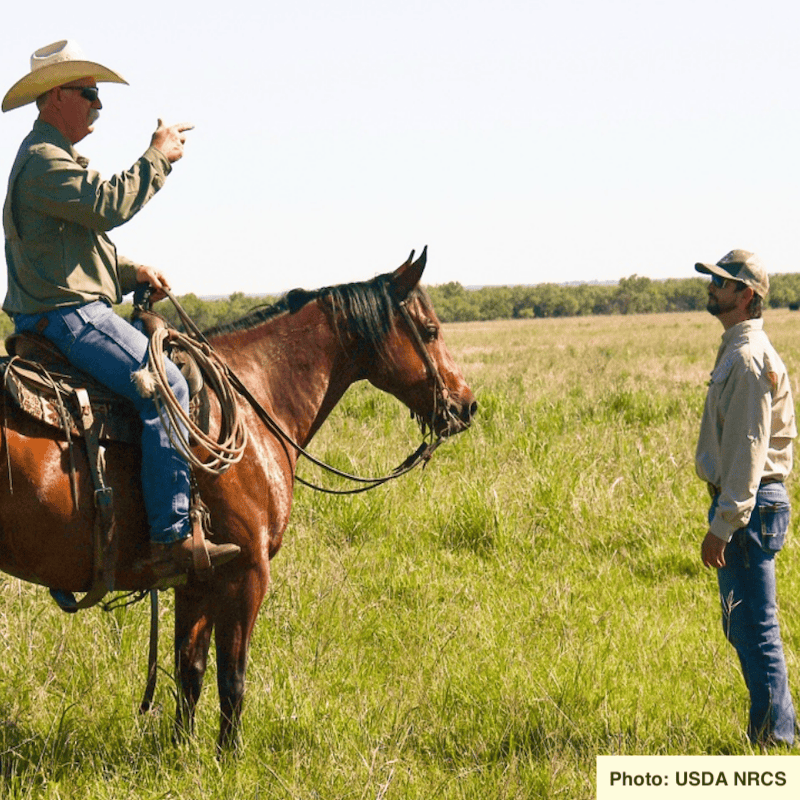
This new report proposes targeted solutions developed in partnership with more than 250 ranchers and landowners across the state.
“We heard time and time again about the need to take action today to ensure that grasslands continue to be a productive, valuable resource for generations of Kansans to come,” said Kansas Secretary of Agriculture Mike Beam in an email to the ranching community. “This report captures the momentum fueled by your voices and perspectives.”

Partnerships Can Support Grassland Ranchers
Staff from Kansas USDA Natural Resources Conservation Service provided technical support and guidance for this 2026 issue brief, along with Working Lands for Wildlife’s science advisor Dirac Twidwell.
“The Kansas Department of Agriculture’s leadership in developing this issue brief demonstrates that rancher voices are being heard, and that there’s an increased request for the agricultural industry to address the top drivers of grassland loss,” Twidwell says.
Many of the actions described in Kansas’ issue brief are echoed in Working Lands for Wildlife’s Framework for Conservation Action in the Great Plains Grasslands. For instance, helping ranchers implement annual prescribed burns is a cost-effective way to control encroaching woody species and maintain prairie health.
Other action steps include launching public education campaigns to expand support for prescribed fire and researching the economic value of agricultural grasslands. Ranchers in Kansas also expressed interest in a state-level Grasslands Partnership Manager to better coordinate conservation efforts on private agricultural lands.
“We’ve got a lot of opportunities. We need to figure out how to take advantage of them,” said one Flint Hills rancher involved in the report.