Science to Solutions: Invasive Annual Grasses Threaten Mule Deer
Targeted weed treatments can improve core sagebrush habitat for big game, but leaving weeds unchecked will drastically reduce mule deer habitat.

Grit, Grass and Gated Pipe Help A Wyoming Ranch Thrive
December 8, 2025
Beavers Work Stream Restoration Magic In Birch Creek
December 16, 2025


The Research In Brief:
- Mule deer strongly avoid sagebrush rangelands once the cover of invasive annual grasses reaches 20%.
- Invasive annual grasses could reduce high-quality mule deer habitat in northeast Wyoming by nearly two-thirds within 20 years if nothing is done to stop their spread.
- Proactively managing invasive grasses to defend core sagebrush areas can maintain or improve habitat for mule deer in the future.
Mule Deer Avoid Weed-Invaded Range
Herds of migratory big game like elk, pronghorn, and mule deer are emblems of the American West and mainstays of many states’ hunting and tourism industries.
Unfortunately, weeds like cheatgrass, medusahead, and ventanata are invading sagebrush rangelands where big game roam. These invasive annual grasses rapidly replace the native bunchgrasses, shrubs, and wildflowers that big game eat. On the whole, non-native weeds are much less nutritious for most wildlife that live in sagebrush country.
Mule deer, in particular, avoid places with invasive annual grasses. In northeast Wyoming, mule deer may lose two-thirds of their habitat within the next two decades if the spread of these weeds is left unchecked, according to research from the University of Wyoming and NRCS Working Lands for Wildlife.
While this sounds dire, the authors are quick to point out that if we strategically treat invasive annual grasses to defend and grow core sagebrush habitat, we can maintain high-quality mule deer habitat instead of allowing it to decline.

Why Invasive Annual Grasses Are Bad
Mule deer like to browse on native perennial plants like sagebrush, bitterbrush, geraniums, lupine, and bluegrass. Compared to other big game or cattle, food passes through the stomachs of mule deer fairly quickly. Mule deer need plants that are easy to digest and have plenty of protein, so they can put on enough fat to survive the winter.
Except for a very short window in the early spring, invasive annual grasses are neither nutritious nor easy to digest. Worse yet, cheatgrass and other invasive grasses dry out by early summer — far earlier than native plants. On cheatgrass-invaded rangelands, mule deer may not find enough food in the late summer and fall.
Originally from Europe and Asia, invasive annual grasses are able to outcompete native plants because they can germinate in the fall. This gives them a leg up to sprout earlier in the spring, when these weeds steal water and soil nutrients from native plants (hence the name “cheatgrass”).
Dried-up invasive grasses are also an extremely flammable fuel source. Weeds like cheatgrass ignite easily
and spread wildfire quickly. Post-fire, invasive grasses regrow and spread seeds long before native plants can recover. This vicious fire cycle turns healthy sagebrush habitat into a monoculture of weeds with very little benefit for wildlife.

“Now is the time to act. The predicted improvement in mule deer habitat is stunning if we defend core sagebrush from invasive annual grasses.”
– Brian Mealor, Interim Associate Dean, University of Wyoming and former Director of University of Wyoming’s Institute for Managing Annual Grasses Invading Natural Ecosystems (IMAGINE)
Treating Cheatgrass Can Improve Mule Deer Habitat
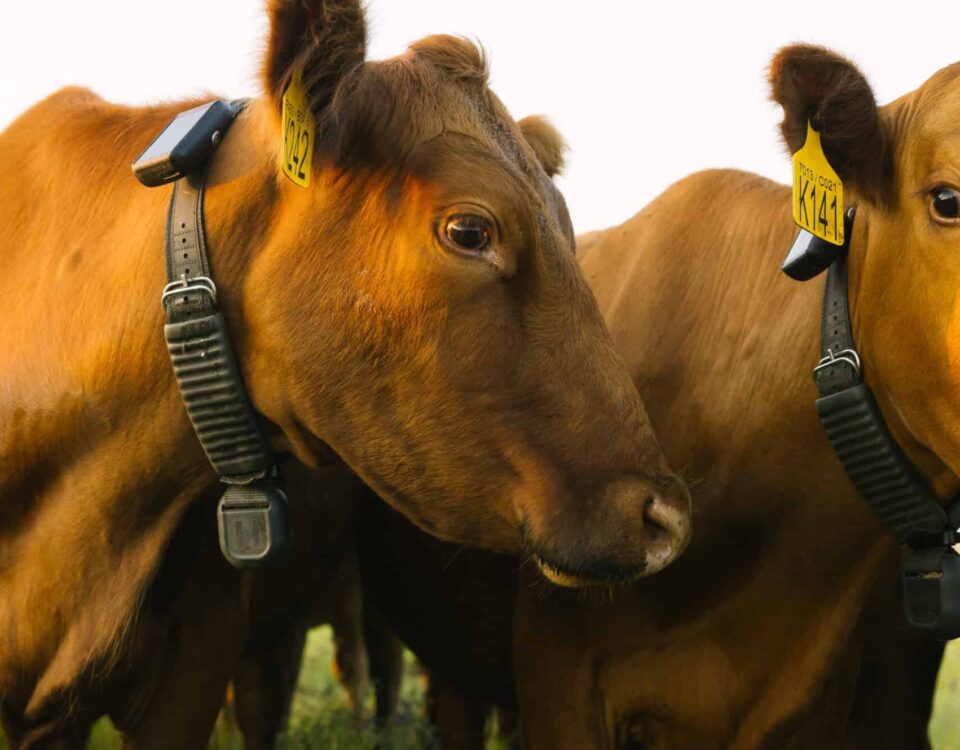
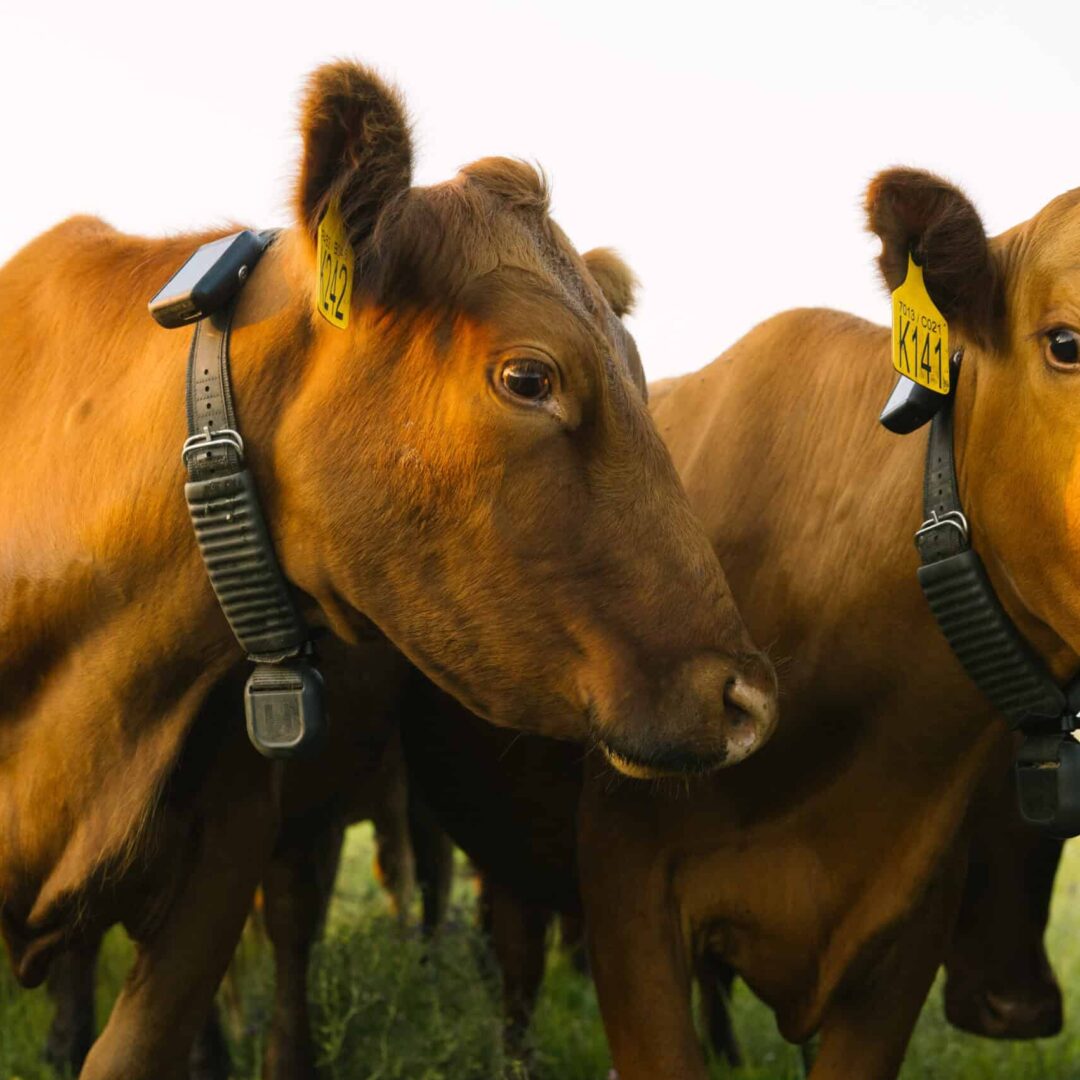
To learn how mule deer use sagebrush habitat, scientists from the University of Wyoming collected data from 115 mule deer fitted with GPS collars by Wyoming Game and Fish Department and WEST, Inc. Then, using satellite imagery from the Rangeland Analysis Platform, they overlaid mule deer movements on maps showing the type of vegetation on the ground.
Next, researchers forecasted what the future might look like under two scenarios: one where invasive annual grasses continue spreading across sagebrush rangelands in northeast Wyoming; the other where people actively manage and reduce these weeds to allow native perennial plants to recover.
They found that mule deer begin to steer clear of places once invasive annual grasses cover 13% of native sagebrush landscapes. Mule deer strongly avoid areas once weeds like cheatgrass cover more than 20% of rangelands.
If nothing is done to stop their spread, invasive annual grasses may reduce mule deer habitat in northeast Wyoming by 62% within the next 20 years.
But if targeted weed treatments are applied to defend and grow intact core sagebrush areas (prioritized in conservation frameworks like the Sagebrush Conservation Design), mule deer habitat could improve dramatically compared to doing nothing.

Science in Action: Mule Deer Will Return
A different study from Colorado confirms that treating cheatgrass is a boon to big game. Camera traps show that mule deer will return to areas once cheatgrass has been removed and native plants restored.
Mule deer spent more time in areas treated with herbicides like Rejuvra, which kills the seeds of annual grasses but leaves perennial plants untouched. Those treatments significantly boosted the growth of large native shrubs like antelope bitterbrush, a favorite food for mule deer.
Partners across the West are collaborating on solutions to conserve sagebrush rangelands, including strategic herbicide treatments. Groups like IMAGINE and NRCS Working Lands for Wildlife offer tools, funding, and technical support for managing invasive annual grasses.
The Wyoming Migration Initiative provides migration maps and other science-based strategies that help prioritize where to treat weeds to best benefit mule deer and other big game species.
Landowners and land managers interested in proactive ways to manage invasive weeds like cheatgrass can learn more at invasivegrasses.com.
“Mule deer are already facing habitat loss and fragmentation across the West. Luckily, we have the tools, the science, and the broad support to combat the spread of invasive annual grasses across the sagebrush biome.”
– Jerod Merkle, Science Advisor, WLFW Migratory Big Game Initiative and the Knobloch Professor of Migration Ecology and Conservation at University of Wyoming