Photo: Tom Koerner, USFWS
Modernizing Fencing Infrastructure
Fences are part of the fabric of Western life. But outdated designs and legacy fences that are no longer needed impede animal movements.
Maintaining the functional connectivity of the landscape requires a strategic approach to fencing that aligns livestock management with the habitat requirements of migratory big game.
WLFW’s approach for tackling this threat prioritizes voluntary, incentive-based solutions to ensure that infrastructure serves both agricultural productivity and habitat connectivity for migratory big game.
Specific strategies include:
- Modification of existing barriers
- Structural replacement and removal
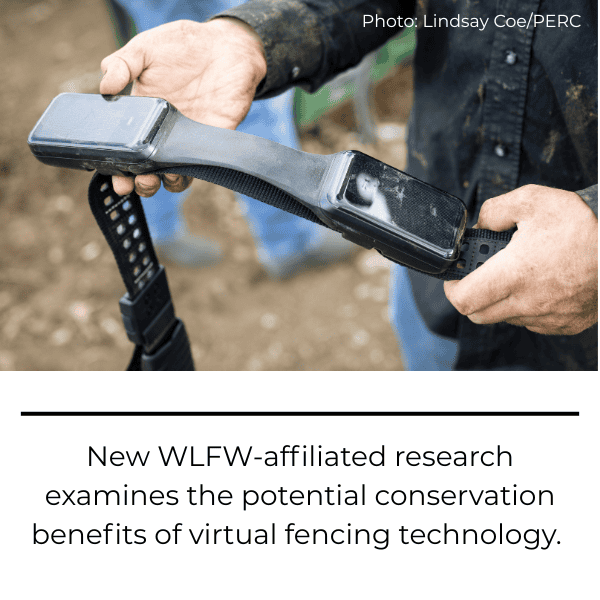
- Deployment of virtual fencing technology
- Geographic prioritization
This documentary film Unwired details how a catastrophic pronghorn die-off influenced the restoration of an estimated 18,000 acres of habitat in Wyoming’s Red Desert. A GPS-tracking study sparked a collaboration with a rancher in southern Wyoming, resulting in one of the biggest recent conservation successes in Wyoming for the troubled species. Produced by the Wyoming Migration Initiative.
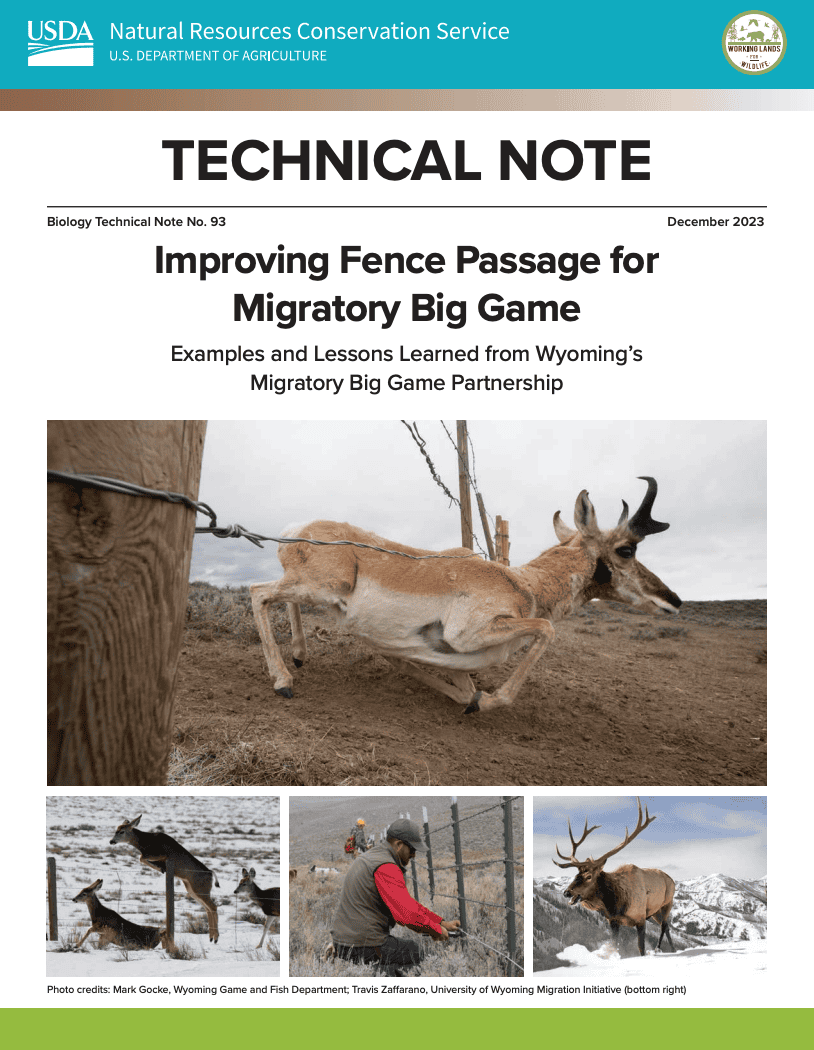
A USDA-NRCS Technical Note, published in December 2023, is helping managers, conservationists, landowners, and practitioners better avoid, minimize, and mitigate impacts caused by fences.
Authored by a diverse group of experts, “Improving Fence Passage for Migratory Big Game: Examples and Lessons Learned from Wyoming’s Migratory Big Game Partnership” provides context, guidance for inventory, conservation planning, decision support, and implementation, along with references to dozens of relevant scientific papers in an easy-to-digest package.
-
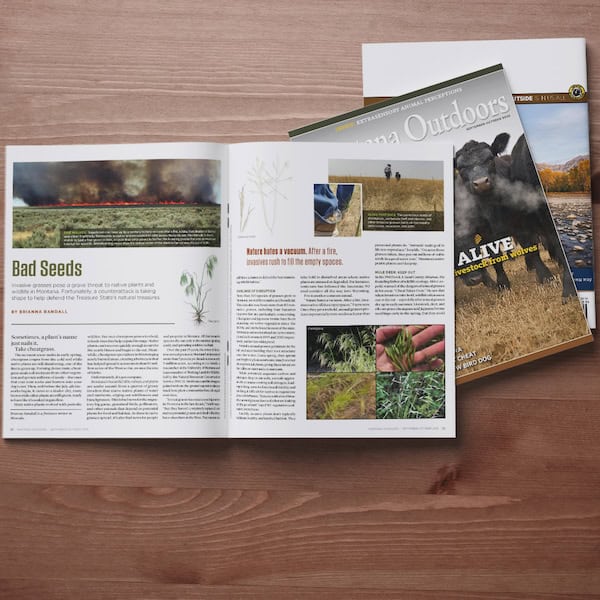
Bad Seeds: Invasive Annual Grasses Threaten Rangeland In Montana
A feature published in Montana Outdoors shows how partners are defending native plants in the Treasure State from invading grasses.