
Photo: Noppadol Paothong
News
We provide scientific reports, project profiles, technical tools, videos, photos, field guides, and links that tell the story of how cooperative conservation is making a difference for working lands and wildlife across the West.

Science to Solutions Seminars
Science to Solutions Seminar: Great Plains Grassland Conservation & Management
October 19, 2026
Join us November 12 at 11:30 CT for our ongoing seminar series. This seminar will focus on conservation and management updates from the Great ...
News
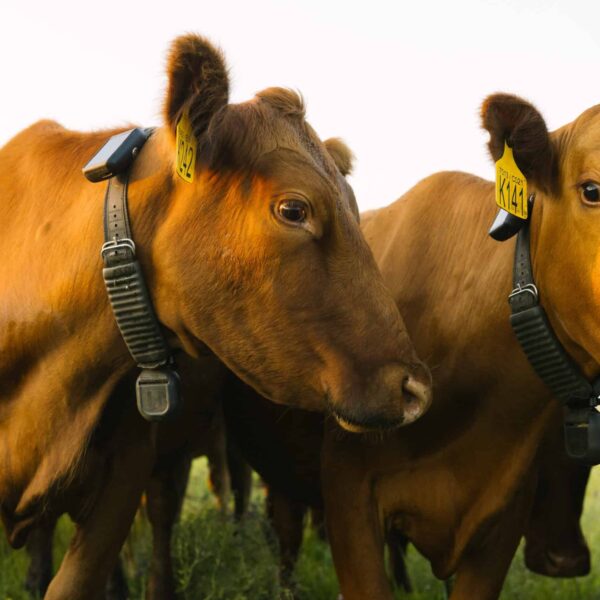
Fences Without Wire: Big Data and Smart Collars Are Transforming Rangelands
October 14, 2026
Virtual fencing paired with free satellite data is a high-tech way to address age-old grazing ...
Publication Alert
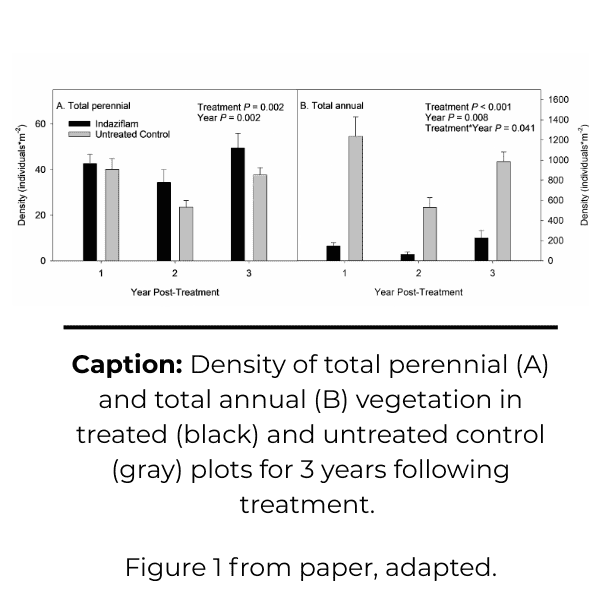
Research Evaluates Indaziflam’s Efficacy In The Fight Against Invasive Annual Grasses
October 8, 2026
New research shows indaziflam's efficacy for treating annual invasive grasses while boosting perennials, bare ground, and soil ...
News
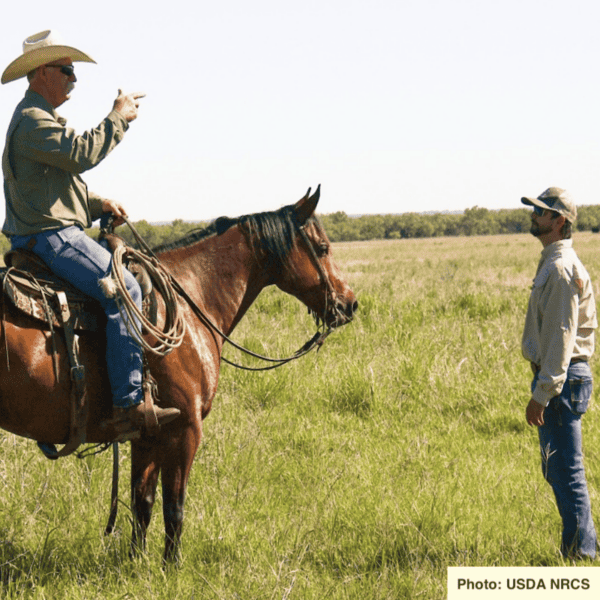
How To Talk To Texans About Trees: Communications Resources For Woody Encroachment
September 29, 2026
Grassland conservation works best if professionals start by listening to landowners in the Southern Great Plains, says new research from Playa Lakes Joint ...
News
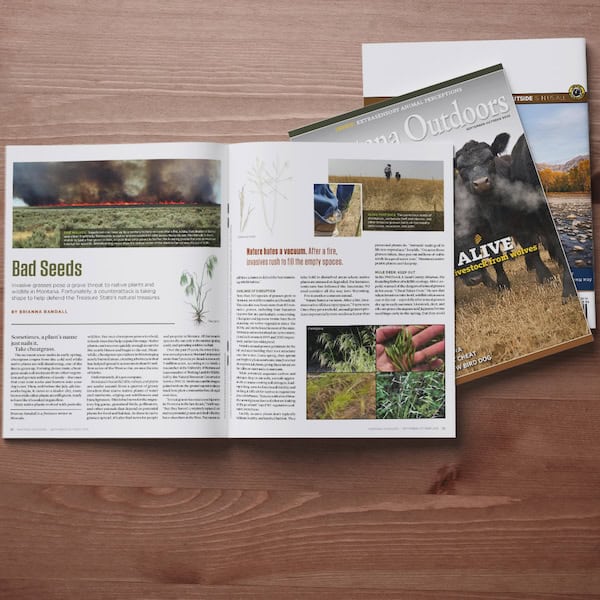
Bad Seeds: Invasive Annual Grasses Threaten Rangeland In Montana
September 14, 2026
A feature published in Montana Outdoors shows how partners are defending native plants in the Treasure State from invading ...

Publication Alert
Where There’s Water, There’s Life
September 10, 2026
WLFW-affiliated research into trends in mesic resource productivity shows that agriculture, especially flood irrigation, is helping sustain mesic resources across sagebrush ...
Publication Alert
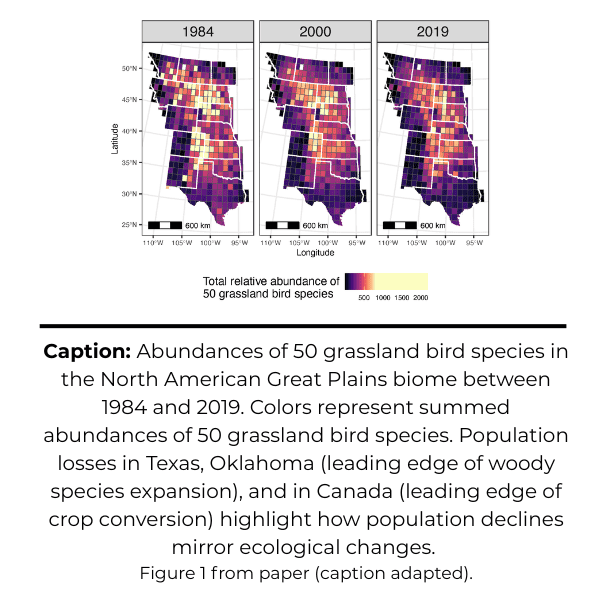
Abundantly Clear: Intact Grassland Cores Host More Grassland Birds
August 20, 2026
Recent research highlights that growing or stable populations of grassland bird species are found in intact grassland cores while population declines mirror spatial patters in ...

News
Double C Cattle Company Reclaims Oklahoma’s Prairie With Prescribed Fire
August 18, 2026
The Coffey family models how to keep prairies healthy and ranches productive by using prescribed fire to beat back encroaching cedar ...
News
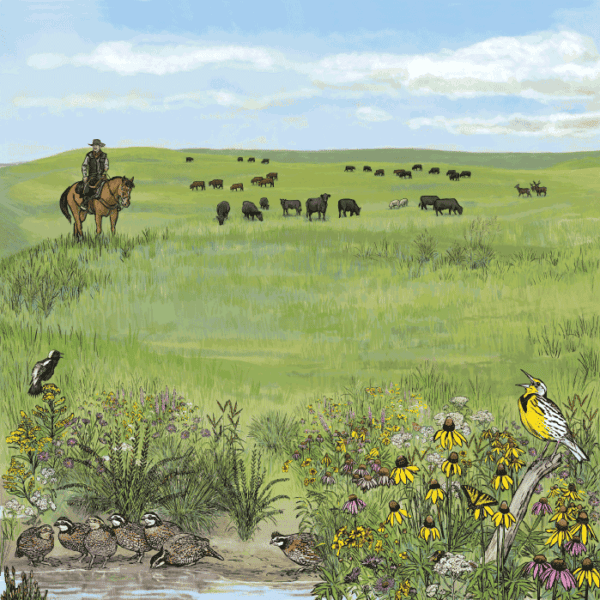
Guardians Of The Grasslands: The Ranchers Saving America’s Great Plains
August 12, 2026
Ranchers own the largest remaining parcels of intact grasslands. These agricultural landowners are the key to conserving America's ...
Publication Alert
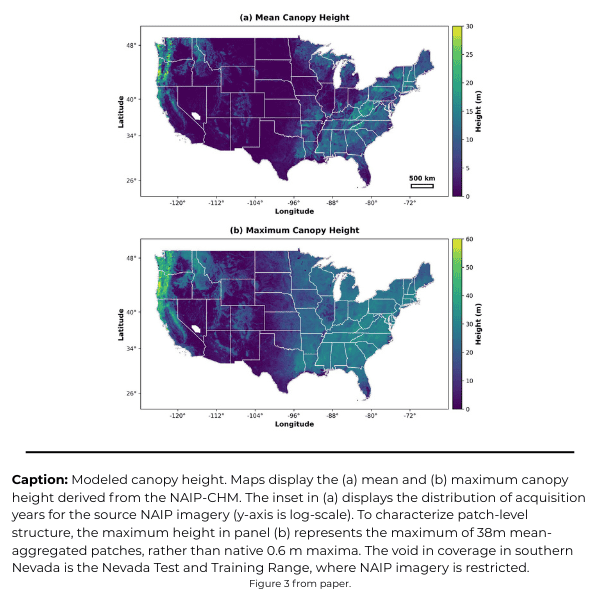
America’s Tree Canopy, Now in 3D
July 22, 2026
Mapping application models height of trees and shrubs across the entire Lower 48 at sub-meter ...
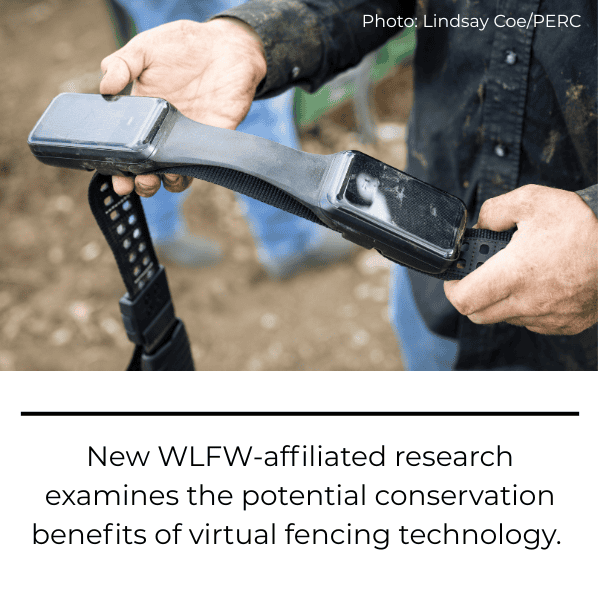
Publication Alert
Virtual Fences, Actual Conservation
July 9, 2026
Virtual fencing technology holds significant promise for boosting conservation outcomes. New research explores these potential ...
News
National Grasslands Week: Building Awareness Of America’s Vanishing Grasslands
June 22, 2026
Grasslands cover nearly one million acres of the U.S., yet half of Americans know little about this vital ecosystem, according to a new ...
News
New Video Shows An Overlooked Threat to Grasslands And Shrublands
June 5, 2026
A six-minute film produced by the Cornell Lab of Ornithology shines a spotlight on an existential threat to some of the last, great grass and shrublands on Earth: woody ...
News
Migratory Big Game Framework In Focus: Wildlife Conservation Through Sustainable Ranching
June 2, 2026
Learn more about WLFW's new Migratory Big Game Framework for Conservation ...
News
Data-Driven Wildfire Recovery in the Great Plains
April 29, 2026
New wildfire recovery website translates decades of rangeland and fire ecology research into a decision-support resource for ...

News
What Are Mesic Resources?
April 28, 2026
Ranchers and wildlife depend on wet, green places such as streamsides, meadows and springs, which represent just 2% of the West's ...

News
Beavers Take Center Stage In Movies And On Western Ranches
April 17, 2026
North America's largest rodents are heroes on film and in real life, renowned for their ability to store ...

News
Upland Bird Leks: The Wildest Dance Floors On Earth
April 11, 2026
Each spring, prairie chickens, sharp-tailed and sage grouse convene on North America's grasslands and sagebrush plains to strut their ...

News
Invasion Severity Index
April 10, 2026
The Invasion Severity Index (ISI) online mapping application helps practitioners plan invasive annual grass management efforts across the sagebrush ...

News
Kansas Grasslands At A Crossroads: Ranchers Help Chart Path Forward
February 17, 2026
A 2026 issue brief from Kansas elevates the value of grasslands to agriculture and the public. It also prioritizes actions to conserve these grasslands before they ...

News
New Guides-Reducing Conifer Encroachment in Western Rangelands
February 11, 2026
Reducing Conifer Encroachment in Western Rangelands Technical and Pocket Guides deliver new tools and strategies specific to western ...
News
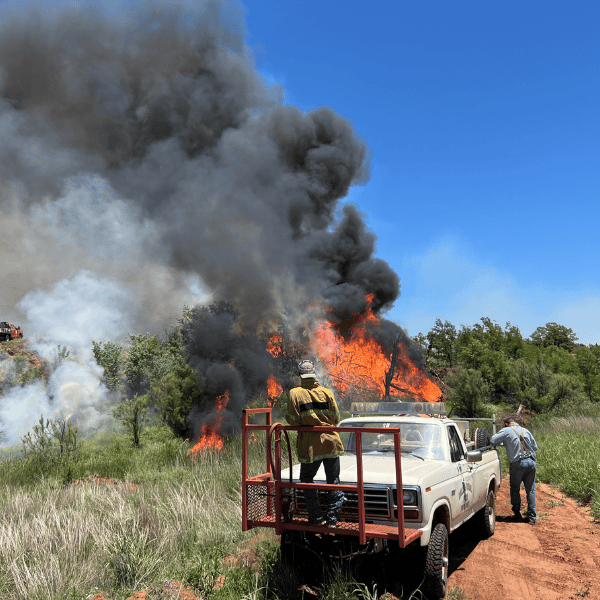
Landscape Spotlight: Comanche Pool Grazing Lands In Kansas And Oklahoma
January 14, 2026
Private ranchers in the southern Great Plains are pooling resources for prescribed burns that minimize wildfire damage and regenerate ...

News
Beavers Work Stream Restoration Magic In Birch Creek
December 16, 2025
A decade after restoring beavers to an Idaho watershed, a rancher reflects on the benefits and lessons ...
News
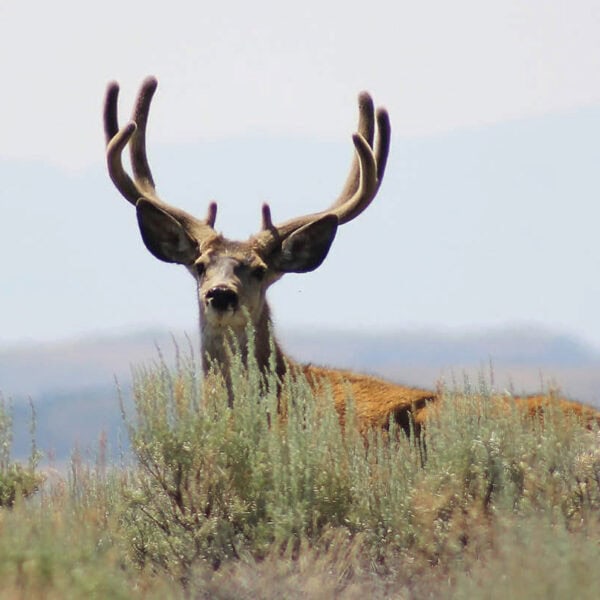
Science to Solutions: Invasive Annual Grasses Threaten Mule Deer
December 11, 2025
Targeted weed treatments can improve core sagebrush habitat for big game, but leaving weeds unchecked will drastically reduce mule deer ...

News
Grit, Grass and Gated Pipe Help A Wyoming Ranch Thrive
December 8, 2025
Colter McCumber is a generational rancher in Hot Springs County, Wyoming. He partnered with the USDA NRCS to modernize his water system and improve fences, benefiting cattle ...
News
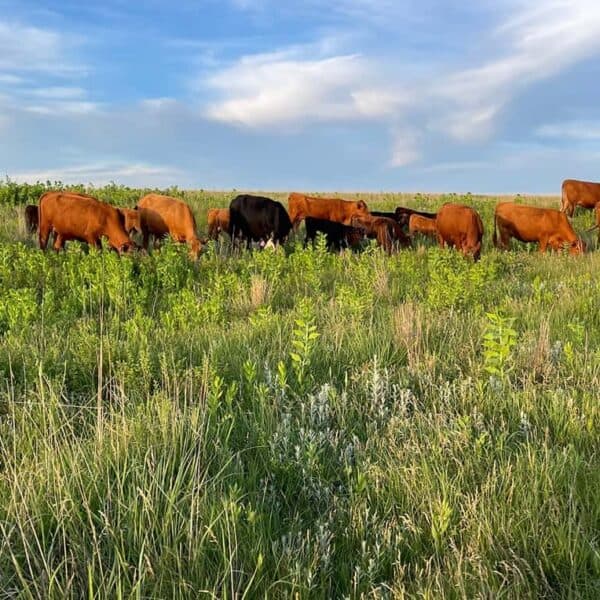
America’s Last Great Grasslands
September 29, 2025
Grasslands are the most imperiled ecosystem on earth. North America is home to two of the world’s largest remaining intact grasslands: the Nebraska Sandhills and Wyoming ...

News
Western Working Lands Snapshot | Kīpuka in the Sagebrush Biome
September 25, 2025
Surrounded by lava rocks that protect them from fire, grazing, and other disturbances, kīpuka are islands of intact vegetation that give a glimpse into how the sagebrush ...

News
New RAP Dataset Provides Additional Functionality and Improved Vegetation Monitoring
August 26, 2025
New 10-meter datasets add increased functionality and accuracy to the Rangeland Analysis ...

News
Wyoming Shares Strategies For Wildlife Friendly Fencing
August 15, 2025
At a summit in Wyoming, experts share research and success stories about how to make fences work better for ranchers and ...

News
Announcing the Conifer Encroachment Education Project
July 24, 2025
Just-launched website promotes simple and effective solutions to conifer encroachment in sagebrush ...

News
Brewer’s Sparrows Rely on Conifer Removal to Maintain Core Sagebrush Habitat
July 22, 2025
As conifer trees take over core sagebrush habitat in southwest Montana, the population of Brewer's sparrows drops. Removing trees means more sagebrush songbirds in the ...
News
Western Working Lands Snapshot | Migratory Big Game
June 30, 2025
Learn all about the West's big game species like elk, deer, pronghorn, moose, and bighorn ...

News
Defend The Core: Fighting back against woody invaders on the Great Plains
February 24, 2025
NRCS Working Lands for Wildlife is investing in proactive ways to help livestock producers keep healthy grasslands free from woody ...

News
Saving Nebraska’s Sandhills, One Tree At A Time
February 6, 2025
“Little Miss Clearcut” is restoring the prairie with loppers and a handsaw to keep woody invaders from taking over her grassland ...

News
Goats, Shears, Fire And Teamwork: The Recipe Saving Oklahoma’s Grazing Lands
February 5, 2025
GREAT PLAINS 'GUARDIANS OF THE GRASSLANDS SERIES | Scott Westrup was one of the first landowners in Oklahoma to sign up for the NRCS Great Plains Grassland Initiative to get ...

News
Defend The Core: Fighting back against rangeland invaders in sagebrush country
February 5, 2025
NRCS Working Lands for Wildlife is partnering with private landowners to defend core grazing lands from invasive annual ...

News
Lighting A Match To Preserve Nebraska’s Prairie
February 4, 2025
GREAT PLAINS 'GUARDIANS OF THE GRASSLANDS SERIES | This ranch in the Sandhills relies on healthy prairies to support two businesses: a tourist-based outfitting company and for ...

News
Kansas Ranchers Use New Strategies to Preserve Prairie Lands
February 3, 2025
GREAT PLAINS 'GUARDIANS OF THE GRASSLANDS SERIES | Chris and Cole Mushrush are keeping grasslands tree-free on their ranch in Strong City, Kansas, and using virtual fencing to ...

News
Iconic South Dakota Ranch Removes Trees To Restore Waving Grass
February 2, 2025
GREAT PLAINS 'GUARDIANS OF THE GRASSLANDS SERIES | Landowners Tim and Sarah Bailey work with a conservation-minded ranch manager to keep South Dakota's prairies intact and ...

News
Resetting The Gypsum Hills With Fire To Keep Grasslands Tree-Free
February 1, 2025
GREAT PLAINS 'GUARDIANS OF THE GRASSLANDS SERIES | Prescribed burns and strategic grazing practices have made the Nichols Ranch more profitable, as well as more productive for ...

News
Why Is Cheatgrass Bad?
January 1, 2025
Cheatgrass and wildfire create a vicious cycle that harms wildlife, landowners, and the way of life in the American ...

News
Western Working Lands Snapshot | Great Basin
December 10, 2024
Learn about the topography, natural history, and communities in the Great Basin. This spectacular swath of arid rangeland covers parts of Nevada, Idaho, California, Utah, and ...

Publication Alert
The Last Continuous Grasslands on Earth
December 8, 2024
Research pinpoints the largest intact grasslands left on earth. Two of the top three are in the American West: the Central Wyoming Basin and the Nebraska ...

News
Podcast: Conservation Programs with Tom Watson and Tim Griffiths
November 15, 2024
Tune in to this super informative podcast featuring the NRCS's Tom Watson and Tim Griffiths to learn all about how NRCS works with ...

News
USDA Announces Department-wide Effort to Support Terrestrial Wildlife Habitat Connectivity
October 23, 2024
New USDA Announcement Supports Wildlife Connectivity Across the ...

News
Defending Core Sagebrush Areas is Synonymous with Bird Conservation
October 15, 2024
This Science to Solutions report highlights three new papers that demonstrate how conserving intact sagebrush areas benefits sagebrush-dependent songbirds and sage ...

News
Sagebrush Conservation Gateway Delivers Latest Science from Across the Biome
October 15, 2024
New website highlights the latest research from diverse group of experts to help land managers, conservationists, and anyone interested in saving the sagebrush ...

News
Welcome Tanner Swank, Great Plains Grasslands Biome Manager
October 7, 2024
New position will boost WLFW's capacity in the Great ...

News
Imagining A Future Without Invasive Annual Grasses
August 22, 2024
In July 2024, more than 60 participants from 13 states met in Wyoming for a hands-on workshop on how to treat invasive annual ...

News
Green River Valley, Wyoming: A land conservation model to follow
July 24, 2024
Conservation easements on private agricultural lands in Wyoming are benefiting ranchers, big game, sage grouse, and rural ...

News
USDA, USFWS, State Partners Find Non-Lethal Answers to Grizzly Bear Interactions on Montana Ranches
June 20, 2024
Montana ranchers and partners are working to keep grizzly bears, people, and livestock safe on working ...

News
Sustainable Ranching in Utah: A Boon For Wildlife And Livestock
June 12, 2024
Stephen and Kris Ellis are keeping their family tradition of caring for the land and their livestock alive on the Circle Bar Ranch in northern ...

News
Western Working Lands Snapshot | Wildflowers
June 10, 2024
Learn all about wildflowers, which are important for animals, pollination, and soil health on grazing lands in the western ...

News
Where Trees Are the Problem
April 10, 2024
Learn about how woody species expansion or tree encroachment is impacting sagebrush and grassland ecosystems in this story from the North American Grouse Partnership ...

News
Cherish The Soils And Roots That Support Life On The Range
April 4, 2024
The roots of wildflowers on the range support a hidden world of living organisms that produce healthy soils. Nurturing these native plants creates healthier soils and keeps ...
News
WLFW Attends National Pheasant Fest and Quail Classic
March 21, 2024
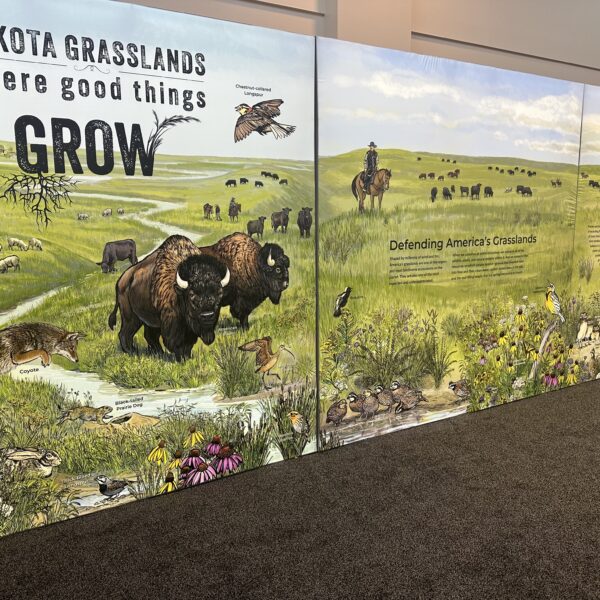
With record high attendance and a new exhibit setup featuring an incredible, custom grasslands mural, WLFW's presence at the 2024 Pheasant Fest and Quail Classic was a ...
News
Migratory Big Game Conservation Highlights the Best of West
December 8, 2023
Learn more about the USDA's Migratory Big Game Initiative and how WLFW is helping lead this broad effort in Wyoming, Montana, and ...

News
Meet Bob Budd
August 15, 2023
Hear how Bob Budd from the Wyoming Wildlife and Natural Resource Trust Fund works with the NRCS and local ...
News
2023 Western Working Lands for Wildlife Workshop Recap
July 27, 2023
Learn more about the 2023 Western Working Lands for Wildlife ...

News
New “Pocket Guide” Provides Unified Planning Process for Reducing Woody Encroachment in Grasslands
July 18, 2023
New pocket guide details conservation planning guidelines for reducing woody encroachment in ...

News
Landscape Explorer map shows how much the West has changed since the 1950s
July 18, 2023
Explore past and present landscapes from the Great Plains to the Pacific coast. New, easy-to-use map uses historic and current aerial imagery to highlight how our landscapes ...

Ask an Expert
How can we balance sage grouse and pinyon jay conservation in sagebrush country?
May 17, 2023
Two recent papers highlight that the majority of conifer removal in sagebrush country has avoided key pinyon jay habitat and further detail how we can balance managing pinyon ...

News
USDA-ARS Now Stewarding the Rangeland Analysis Platform
April 10, 2023
The USDA-Agricultural Research Service is now stewarding the powerful Rangeland Analysis ...

News
Saving Time, Money and Wildlife through Conservation Practices
November 18, 2022
Jeff Boardman's partnership with the USDA-NRCS is paying off for him and for the migratory big game that move through his ranch every ...

News
Latest Sage Grouse “Scorecard” Highlights NRCS Investments and Outcomes
November 17, 2022
The latest Greater Sage-Grouse Scorecard details NRCS investments and conservation milestones in sagebrush country for fiscal year 2022 and cumulatively since ...

News
Latest LPCI “Scorecard” Highlights NRCS Investments and Outcomes
November 17, 2022
Check out the latest Lesser Prairie-Chicken Scorecard which details NRCS investments and conservation milestones in the southern Plains states for fiscal year 2022 and ...
Publication Alert
Next-gen remote sensing tools level up rangeland conservation
October 12, 2022
New research highlights how remote sensing tools accurately and efficiently detail conservation outcomes on ...

Publication Alert
New tool maps the likelihood of large wildfires in the Great Basin
September 21, 2022
Two new papers highlight how rangeland fires are different from forest fires and how fire-probability research can inform fuels management in ...

News
Making Fences Friendlier for Ranchers and Wildlife
August 23, 2022
The Vickrey Family hosts one of the largest mule deer migrations in the country and has worked with the NRCS to make their ranch's fences easier for the deer to ...

News
New Partnership in Wyoming Rewards Landowners for Stewarding Wildlife Habitat
August 3, 2022
In 2022, the USDA-NRCS and the state of Wyoming announced a pilot program to benefit migrating big game that move across public and private ...

News
Meet Jessica Crowder
July 22, 2022
Hear how Jessica Crowder's role as executive director of the Wyoming Stock Growers Land Trust has been so important to the conservation easement culture in the Green River ...

Ask an Expert
Dr. Dirac Twidwell: Saving the Last Grasslands
June 27, 2022
WLFW science advisor Dr. Dirac Twidwell discusses how the NRCS and partners are working to save the last grasslands in the U.S. and how new science and technology is informing ...

News
How To Watch The Best Mating Dance In The West
March 29, 2022
Check out the 'sage grouse strut' this spring on a live-streaming Lek Cam, and read helpful tips for responsible wildlife viewing in the ...

News
Creating Jobs Through Conservation in Southwest Montana
March 22, 2022
In southwest Montana, a creative partnership is improving sagebrush habitat, providing jobs, and empowering youth, one project at a ...

News
New Year, New Connections, New Opportunities
January 26, 2022
With two Frameworks for Conservation Action addressing the most pressing threats facing the sagebrush and Great Plains grassland biomes, 2022 promises to be a big year for ...

News
Beaver Breaks: How Beavers (and low-tech riparian restoration) Help Reduce Impacts From Fire
November 29, 2021
Historically, beavers created vast wetlands that provided critically important habitat for a diverse array of wildlife and plant species. Now, conservationists are restoring ...

Ask an Expert
The Ascent and Spread of Annual Invasive Grasses in the Great Basin
November 29, 2021
Join Joe Smith as he discusses his new research highlighting how annual invasive grasses are spreading in the Great Basin and what this means for ...

News
The Story of Saving the Loess Canyons
October 20, 2021
A new report highlights how landowners in the Loess Canyons of Nebraska have successfully reversed tree encroachment in grasslands while also facilitating co-produced science ...

News
A Decade of Science Support in the Sagebrush Biome
September 30, 2021
A new report summarizes - in one place - more than a decade of WLFW science support that NRCS staff and partners can incorporate into their future ...
News
The Science Behind WLFW’s Riparian and Wet Meadow Restoration
August 26, 2021
Working Lands for Wildlife researchers and scientists have spent years researching how sage grouse use the West's mesic habitats, how best to restore those habitats, and ...

News
Thinking Like Water: Working Lands for Wildlife Leads Low-Tech Mesic Restoration Efforts in Sagebrush Country
August 26, 2021
Since 2016, Working Lands for Wildlife has been trained nearly 2,000 people on low-tech mesic restoration techniques, empowering practitioners to implement riparian and wet ...

News
Conserving Prime Hay Ground As Well As Colorado’s Famous Elk and Deer
August 23, 2021
The Etchart Family placed much of their ranch in a conservation easement protecting prime working land from development and preserving habitat for elk, deer, and sage ...

Ask an Expert
Ask an Expert | Keeping it Grass: How the NRCS Helps Landowners Maintain Grasslands When CRP Contracts Expire
July 12, 2021
Join Andy Burr, NRCS-Kansas state biologist, to learn how the NRCS can help landowners turn expired CRP lands into grazing lands that maintain wildlife habitat and provide ...

News
Turning former cropland into green grass — and green cash
July 12, 2021
Learn how one producer worked with the NRCS to turn expired CRP lands into profitable grazing lands that support wildlife while producing income for the ranch and local ...
News
Study Demonstrates Importance of Voluntary Conservation for Grassland Birds
July 1, 2021
Study highlights how voluntary conservation protected habitat for 4.5 million grassland songbirds, and boosted populations by 1.8 million ...

Ask an Expert
Ask an Expert | The Green Glacier: What is Conifer Encroachment and Why is it Bad?
June 22, 2021
Learn about the "Green Glacier," the slow-moving expansion of conifer trees across western rangelands, in this Ask an Expert with NRCS's Jeremy ...

News
Sage Grouse Populations Grow Faster After Tree Removal
June 10, 2021
New study shows that sage grouse population growth rates are 12% higher following long-term conifer ...

News
Washington Ranch Preserves Sagebrush Rangeland in Perpetuity
May 26, 2021
New conservation easement in Washington state preserves more than 2,000 acres of native sagebrush range in critical sage grouse habitat, adding to a 6,800-acre easement the ...

News
The Value of Keeping it in Grass
May 26, 2021
The Burke Family's long partnership with NRCS has led to better forage for livestock and wildlife and, in 2017, their ranch was protected in perpetuity through a ...

News
Great Plains Grasslands Framework in Focus: Wildlife Conservation Through Sustainable Ranching
April 22, 2021
Dig into the Framework for Conservation Action in the Great Plains Grasslands ...
News
Sagebrush Framework in Focus: Wildlife Conservation Through Sustainable Ranching
April 22, 2021
Dig into the Framework for Conservation Action in the Sagebrush ...

News
E&E News: USDA plans aim to bolster rangeland wildlife conservation
April 21, 2021
E&E News reports on the Framework for Conservation Action in the Sagebrush Biome. Reprinted with ...

News
USDA-NRCS Press Release: New Frameworks Guide Conservation Action on America’s Working Rangelands
April 6, 2021
Learn about the new Framework for Conservation Action in the Sagebrush Biome through this post and a webinar on April 8th, ...

News
Healthy Grass Equals Profitable Ranches
March 15, 2021
The Blair family has worked hard to make their ranch profitable and resilient which benefits wildlife and the next generation. These ranchers earned the 2020 Leopold ...

News
Press Release: USDA-NRCS Announces Funding of the KS Great Plains Grasslands Initiative
March 15, 2021
Kansas producers have new funding opportunities to help address woody plant encroachment on targeted rangelands through the U.S. Department of Agriculture (USDA) Natural ...
News
A Conservation Dream Come True
March 2, 2021
This story originally appeared in Nebraskaland Magazine, the magazine of the Nebraska Game and Parks Commission. Reposted here with permission.

News
Shared Capacity, Shared Success
February 21, 2021
Learn about the Strategic Action Watershed Team and how these partner-positions are adding significant capacity to NRCS offices across the ...

News
New technology helps ranchers maximize grass production
February 17, 2021
How much forage have you lost to woody species? The Rangeland Analysis Platform can help quantify forage loss and pinpoint where to invest conservation funding. Join the NRCS ...
News
A Landowner’s Journey to Using Prescribed Fire – Repost – Nebraska Game and Parks Commission
December 9, 2020
Jim Jenkins worked to remove eastern redcedar trees from his Nebraska ranch for years, with limited success. Then he learned about how prescribed fire could do the work for ...
News
Conservation Reserve Program Benefits Lesser Prairie-Chickens
October 21, 2020
New report highlights importance of Conservation Reserve Program grasslands for Lesser ...

News
Ask an Expert | Curtis Elke, Idaho-NRCS State Conservationist, Talks Cheatgrass and More
September 1, 2020
The Cheatgrass Challenge is a new, proactive strategy outlining Idaho NRCS’s plans to tackle invasive annual grasses. Read on for ...

News
Don’t Get Cheated By Invasive Grasses
August 17, 2020
Farmers and ranchers can't afford to ignore the economic challenges posed by ...

Ask an Expert
Fire and the Great Plains
August 11, 2020
Fire used to play a big role in shaping the Great Plains. Does it today and how do the Plains recover from fire? Dr. Victoria Donovan answers these and other questions in this ...

News
Virtual Workshop | Low-Tech Riverscape Restoration – Aug. 11-14, 2020
July 27, 2020
Join WLFW and Utah State University for a free, four-day, virtual workshop focused on low-tech, process-based riverscape ...

News
New Report Highlights Lesser Prairie-Chicken Initiative Outcomes Since 2010
July 22, 2020
The Lesser Prairie-Chicken Initiative is a Working Lands for Wildlife effort that is focused on rangeland resiliency in the southern Great Plains. Check out this new report to ...
News
New Report Highlights LPCI’s Outcomes Since 2010
July 21, 2020
New report details conservation outcomes from LPCI since ...

News
Idaho Launches the Cheatgrass Challenge
July 8, 2020
Read all about Idaho's new effort to tackle cheatgrass, an invasive annual grass that is causing serious issues across western ...

News
Webinar Replay | Restoration of Annual Grass Invaded Landscapes
July 6, 2020
Overview of the devastating impacts of annual invasive grasses, regional scale strategies to tackle the problem, on-the-ground examples of restoration, and introduction to a ...

News
Bugle Magazine | Thinking Like a Beaver
June 26, 2020
Read about how volunteer-led, low-tech, process-based restoration of streams and meadows in the west is helping restore critical habitat for elk and other wildlife in this ...

News
Western Working Lands Snapshot | Pollinators
June 18, 2020
Learn all about pollination and pollinators in this Western Working Lands ...

News
Webinar | Low-Tech Wet Meadow Restoration: Reading the Landscape to Recognize Opportunities
June 16, 2020
Wet or mesic habitats are rare but disproportionately important habitats within western rangelands. Gully erosion and channel incision are widespread problems reducing nature ...

News
Ask an Expert | Mitch Faulkner, 2020 Rangeland Management Specialist of the Year, Talks Partnerships and More
May 27, 2020
Mitch Faulkner, 2020 NRCS Rangeland Management Specialist of the Year, talks about the partnerships that have advanced rangeland conservation across boundaries in South ...

News
Success Story | Innovative Small Business Owner Integral to Restoring Grazing Lands
May 6, 2020
Meet Cecil Swaggart, an innovative small business owner whose expertise is advancing sagebrush restoration in the ...

News
Montana Outdoors Magazine Article | The Herd and the Bird
March 20, 2020
Magazine Article | This article originally appeared in the March-April 2020 issue of Montana Outdoors, the magazine of Montana Fish, Wildlife & Parks. It is reposted here with ...

News
SGI’s “Ranching First” Approach Proves Key to Protecting Ranch in Washington
March 10, 2020
The Keane Ranch is now protected from development in perpetuity thanks to a conservation easement supported, in part, by the ...

News
Ask an Expert | When it comes to sage grouse habitat: Don’t sweat the small stuff
February 27, 2020
Ask a Expert | When it Comes to Sage Grouse Habitat, Don’t Sweat the Small Stuff: A Conversation with Joe Smith, Working Lands for Wildlife ...

News
Ask an Expert | How Does Grazing Affect Native Pollinators
February 20, 2020
Join Gabrielle Blanchette for a deep dive into the role native pollinators play in rangelands and how grazing can impact these critical components of a healthy ...

News
PHEASANTS FOREVER Magazine | Of Partners, Promises and Prairie Treasures
February 13, 2020
Magazine Story | Pheasants Forever's Spring 2020 Journal of Upland Conservation features how the nonprofit works with SGI and other partners to benefit a variety of grouse ...
News
PHEASANTS FOREVER Magazine | Of Partners, Promises and Prairie Treasures – LPCI
February 13, 2020
Magazine Story | Pheasants Forever's Spring 2020 Journal of Upland Conservation features how the nonprofit works with LPCI and other partners to benefit a variety of grouse ...

News
Ask an Expert | The Science Behind Private Lands Conservation: A Conversation with Dr. David Naugle, Working Lands for Wildlife Science Advisor
January 21, 2020
Learn more about WLFW's approach to science, how the coproduction of science benefits private-lands conservation and what's next for the Western WLFW science ...

News
Nature’s Engineers: How Beavers Boost Streamflows and Restore Habitat
January 13, 2020
Almost like magic...How beavers boost streamflows and restore habitat with a little help from ...
News
Transforming Rangeland In Kansas’ Gyp Hills
November 25, 2019
Working together with conservation partners, a landowner and livestock producer restore prairie grazing lands in the southern Great ...
News
Western Working Lands Snapshot | Western Meadowlarks
November 19, 2019
Our second Western Working Lands Snapshot post features the western meadowlark. This pretty bird has one of the sweetest calls in the ...
News
Low tech riparian restoration hits the ground in Idaho
November 6, 2019
In Idaho, low-tech stream restoration is taking off, thanks in part, to SGI's workshops and education ...

News
Quantifying Outcomes Improves Conservation Effectiveness
October 8, 2019
Since 2012, Working Lands for Wildlife has partnered with the Conservation Effects Assessment Project to co-produce 37 peer-reviewed studies that measure conservation ...

News
Western Working Lands Snapshot | Grasslands
September 24, 2019
Join us for a new series focused on the natural history, wildlife, and people on the West's working lands. This innagural post focuses on ...

Ask an Expert
Why You Should Know About the Eastern Redcedar Science Literacy Project
September 23, 2019
Ask an Expert | What is the Eastern Redcedar Science Literacy Project and Why You Should Know About It - An interview with Dr. Dirac Twidwell of University of the ...

News
Cutting to the Chase: Long-Term Success of Conifer Removal Depends on Both Cutting and Burning
September 10, 2019
Ask an Expert | How to use cutting and burning to most effectively restore sagebrush ecosystems experiencing conifer ...

News
Birds of a Feather on Working Lands
August 20, 2019
Read about how Working Lands for Wildlife is benefiting the golden-winged warbler and the greater sage grouse, two bird species that have more in common than ...

News
Working Lands for Wildlife Initiatives Benefit Songbirds Too!
July 19, 2019
Science to Solutions | New research shows that prairie songbirds benefit from lesser prairie-chicken-focused conservation ...
News
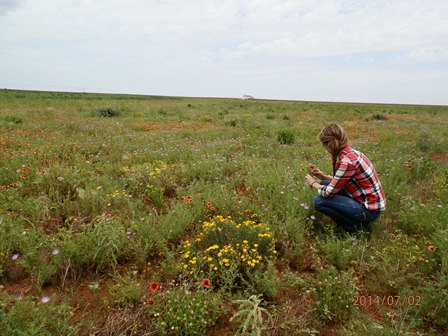
Conserving prairies for chickens helps millions of songbirds too
July 18, 2019
Science to Solutions | New research shows that implementing conservation practices like prescribed grazing increases songbird populations in the southern Great Plains, while ...
News
How do lesser prairie-chickens like mesquite removal? Ask an Expert with Dr. Christian Hagen
July 2, 2019
Dr. Christian Hagen discusses his new research on mesquite trees, lesser prairie-chickens and how science can help inform the most effective places to invest restoration ...
News
Western Working Lands for Wildlife 2019 Workshop – Rangeland Resiliency
June 25, 2019
Read about the workshop and conference in Twin Falls, Idaho and follow along with the second-day field tour across Idaho and ...

News
Conservation Easements Continue to Protect Idaho’s Pioneers-To-Craters Landscape
May 23, 2019
Two new easements protect an additional 2,500 acres of prime sagebrush habitat, adding to area's conservation ...

Ask an Expert
Sage Grouse Populations Grow When Conifers are Removed
May 14, 2019
Ask an Expert - Andrew Olsen explains his research that shows sage grouse populations rise 12% following sustained and targeted conifer ...
News
Big Picture of Woodland Management in Sagebrush Country
May 9, 2019
Science to Solutions - New research highlights reduction and expansion of conifer encroachment in sagebrush ...
News
Conversation with Rangeland Management Specialist of the Year, Rebecca Knapp
April 24, 2019
In February, the Society for Rangeland Management awarded Rebecca Knapp its highest honor, Rangeland Management Specialist of the Year. We sat down with Knapp to discuss her ...

News
New Manual for Low-Tech Riparian Restoration
April 10, 2019
Low-tech riverscape restoration manual available for FREE. Download now and implement these low-tech, low-cost stream restoration ...
News
Conservation Successes – 2018 LPCI Scorecard
April 2, 2019
The new 2018 LPCI Scorecard highlights our conservation achievements since ...

News
Conservation Success – 2018 SGI Scorecard
April 2, 2019
Check out SGI's 2018 Scorecard to see how we've done against the milestones we set in ...

Science to Solutions
Woody Invasion in the Great Plains Diminishes Water Resources
March 26, 2019
Research details impacts to water from encroaching eastern redcedar and other conifers on landscapes in the Great ...

News
Woody Invasion Impacts Water on Great Plains
March 26, 2019
Science to Solutions - New research details impacts to water from encroaching eastern redcedar and other conifers on landscapes in the Great Plains. Similar impacts occur on ...
News
Conservation Insight Report Confirms LPCI Projects Benefit Birds and Ranchers
March 21, 2019
New Conservation Insight Report Confirms LPCI Projects Benefit Chickens and ...

News
Conservation Insight Report Confirms Benefits of Conifer Removal
March 21, 2019
New report from the Conservation Effects Assessment Project confirms multiple benefits of removing encroaching ...

News
Watch Working Lands For Wildlife Presentations from 2019 Society for Range Management Conference
March 19, 2019
Working Lands for Wildlife video presentations from the 2019 Society for Range Management Conference featuring new technologies that can help improve rangeland management in ...

News
Our Amazing Grasslands Video – The Conner Ranch
March 19, 2019
New video highlights the Conner Ranch in Belle Fourche, South Dakota where Dan and Cindi Conner have worked with SGI and other partners to improve their ranch for sage grouse ...
News
Patterns in Rangeland Productivity and Land Ownership and What They Mean for Conservation
March 6, 2019
Ask an Expert: Dr. Brady Allred, Associate Professor of Rangeland Ecology, University of Montana | Patterns in Rangeland Productivity and Land Ownership and What They Mean for ...

News
Conserving Diverse Wet Habitats Keeps Western Rangelands Resilient
February 13, 2019
New research highlights the importance of mesic resources for sage grouse and other wildlife ...
News
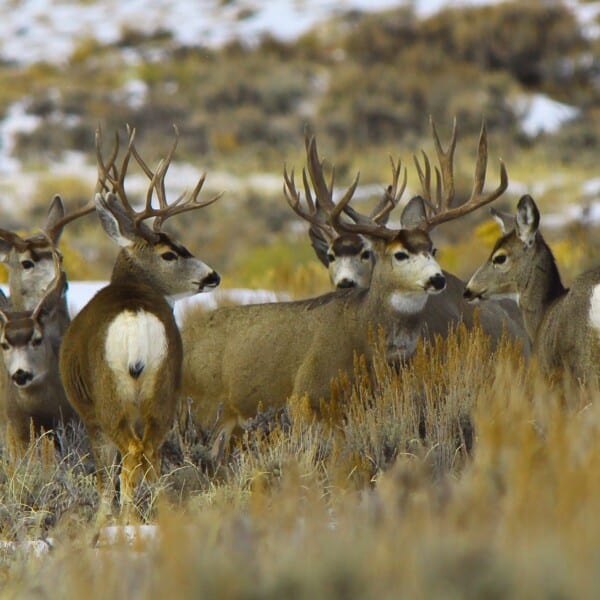
How Do Mule Deer Use Sagebrush?
February 5, 2019
Miles Moretti of the Mule Deer Foundation tells us how mule deer use sagebrush country and why MDF is partnering to conserve western ...

News
1,800 Ranchers and Counting!
December 18, 2018
As 2018 comes to a close, the Sage Grouse Initiative caught up with Tim Griffiths, NRCS’s Western Working Lands for Wildlife Coordinator, for a glance back and a peek ...

News
How Can Emerging Technology Help Conserve Rangeland?
December 5, 2018
Research scientist Dr. Matthew Jones explains how cloud computing and machine learning are changing the way we visualize and manage ...

News
Grazed Rangelands Produce Sage Grouse Chicks’ Preferred Food
November 26, 2018
New research shows that grazing lands grow more bugs for birds to ...

News
Oregon Ranchers Sustain “Heart Of The Desert”
November 12, 2018
Maintaining an “emerald island” in the middle of the desert is no small task. Here’s how the Fitzgeralds do it on their Oregon ...

News
Beavers, Water, and Fire—A New Formula for Success
November 6, 2018
National Wildlife Federation Blog | Low-tech stream restoration works wonders for people and ...

News
#FridaysOnTheFarm | For Future Generations of Ranchers and Sage Grouse
November 2, 2018
Meet David Sceirine, a rancher protecting key wildlife habitat on his family’s ranch near Bridgeport Valley, ...

News
Partnering To Conserve A Sagebrush Landscape
October 24, 2018
Innovative partnerships with private landowners and public land managers on working rangelands in Southwest Montana are conserving sagebrush ...

News
New Nevada Agreement Paves The Way For Landscape-Scale Conservation
October 18, 2018
Public and private partners in Nevada sign a landmark agreement that leverages funding across state, federal, and private property to accelerate sagebrush ...

News
Low-Tech Riparian And Meadow Restoration Keeps Rangelands Greener Longer
October 8, 2018
New research shows low-tech restoration methods increased vegetation productivity by 25% and kept plants greener longer, resulting in greater ...
News
NEW SCIENCE | Middle Ground Found On The Range
September 27, 2018
New research shows grazing access to public lands in the western U.S. can be good for ranching and ...

News
New Technology For Landowners And Resource Managers Revolutionizes Rangeland Monitoring
September 18, 2018
by Justin Fritscher, NRCS | New free app provides the first-ever vegetation cover maps for rangelands from the Great Plains to the Pacific ...

News
WEBINAR | Rangeland Analysis Platform: Introducing a free, online tool to help manage and monitor western rangelands
September 12, 2018
RAP is a free, online tool that helps landowners and natural resource managers track vegetation through time and plan actions to improve America's grazing ...

News
Running The Ranch
August 30, 2018
By Tim Griffiths | Pickup trucks, working dogs, cowboy hats, and running shoes. These were the diverse sights this past Saturday at the Montana Ranch ...

News
What Is Low-Tech Stream Restoration?
August 27, 2018
River expert Joe Wheaton explains how simple, cost-effective, hand-built structures are helping repair streams across the ...

News
Meet Leah Mori: Helping Ranchers Weather Wildfire Storms in Nevada’s Sagebrush Sea
August 20, 2018
This story features Leah Mori, a soil conservation technician in Winnemucca, Nevada, who is combating the twin threats of wildfire and ...

News
Range Conservation Across Continents: What Australia and America Have In Common
August 6, 2018
Field tour in Wyoming illustrates how voluntary conservation strategies working on behalf of America's sage grouse can also help Australia's ...

News
#ConservationRoadtrip | Taking No-Till To The Next Level
July 30, 2018
With help from NRCS, Montana rancher returns cropland to permanent grasses and forbs to provide forage for livestock and sage ...

News
High School Students Help Restore Montana Sagebrush
July 12, 2018
Partners come together -- including youth field crews -- to improve working lands for wildlife in southwest ...

News
Combatting Cheatgrass On Private Ranch Lands In Wyoming Benefits Sage Grouse
July 1, 2018
Wyoming landowner DeWitt Morris is creating a model for other ranchers on how to thwart invasive cheatgrass on Mountain Springs ...

News
NEW Story Map Highlights Rural Communities & Positive Partnerships
June 28, 2018
Check out this new story map that highlights the people working together across sagebrush rangeland to protect the places that matter to ...

News
Lessons & Photos from SGI’s 8th Annual Workshop: Combating Wildfire & Weeds
June 18, 2018
The 2018 SGI field tour and presentations focused on cooperative, science-based conservation that's working to thwart fire and invasives in sagebrush ...
News
NEW REPORT: Recommendations For Reducing The Spread Of Weeds & Wildfire
June 13, 2018
New report pinpoints gaps in combatting invasive grasses and wildfires across vast sagebrush rangelands in the western ...

News
#FridaysOnTheFarm: Restoring Sagebrush Country With ‘Modern Wildfire’
June 8, 2018
Through the Sage Grouse Initiative (SGI), private landowners across Eastern Oregon are volunteering to perform proactive conservation treatments on their rangeland to promote ...

News
Starter Guide For Healing Degraded Meadows With Hand-Built Structures In Sagebrush Country
June 4, 2018
New NRCS Technical Note provides a case study from Colorado’s Gunnison Basin to help partners replicate cost-effective watershed restoration ...
News
Wildfire and Weeds: 5 Things Ranchers Should Know
May 29, 2018
Here is what you should know about invasive weeds--which lead to wildfires out West--and how to combat ...

News
NEW SCIENCE: Visualizing Sage Grouse Habitat As “Hubs & Spokes”
May 17, 2018
New research helps prioritize sage grouse conservation by ranking the importance of leks to the species' overall genetic connectivity across the range, likening certain areas ...

News
Idaho Models “3 C’s”: Collaboration, Cooperation, Conservation
May 8, 2018
In Idaho, agencies and landowners are working together across boundaries to restore sagebrush ...

News
What Causes Wildfires In The West?
April 23, 2018
Wildfires are now more frequent and more intense in sagebrush country. Learn why (and how to reduce fire risk) from BLM fire planner Darcy ...

News
WEBINAR – Grazing To Maintain Perennial Bunchgrasses And Reduce Exotic Annuals
April 2, 2018
This webinar will discuss the benefits of altering timing of grazing to reduce annuals and maintain perennial bunchgrasses. It will also discuss the detrimental impacts of ...

News
Harnessing Technology Improves Conservation Effectiveness
March 20, 2018
Innovative Web App increases conservation effectiveness on working lands in the American West by matching the right practices to the right places using emerging science and ...

News
Study Shows It Pays To Treat Invasive Grass On Your Ranch
March 7, 2018
An economics study from the USDA Natural Resources Conservation Service in Oregon shows that the earlier ranchers treat cheatgrass, the greater their financial ...
News
Research Says, Adjusting Grazing Practices Can Improve Prairie-Chicken Habitat
February 27, 2018
SCIENCE TO SOLUTIONS: A new study by researchers at Kansas State University identifies specific grazing practices that create the varied grassland habitat structure that ...

News
New Online Tool Shows Songbird Abundance Across Sagebrush Country
January 16, 2018
Check out the latest map additions to the SGI Web App, which allow users to easily visualize songbird distribution, bolstering multi-species conservation across the American ...
News
Patch-Burn Grazing Fires Up Prairie-Chicken Habitat
January 3, 2018
SCIENCE TO SOLUTIONS: Hot off the press! New research shows that patch-burn grazing creates the mosaic of grassland habitat structure that prairie-chickens depend on. LPCI's ...

News
FAIR CHASE Magazine | The Value of Sagebrush Country
December 8, 2017
by Josh Millspaugh | This feature in the December 2017 issue of Fair Chase Magazine highlights how sage grouse conservation benefits hunters and a host of wildlife ...
News
A Tale of Two Fires: Prescribed Fire Thwarts Wildfire on the New Mexico Prairie
November 29, 2017
NEWS: Two lightning-caused wildfires on the same site in eastern New Mexico yielded profoundly different results. Why? Prescribed fire played a key ...
News
Taking the Bias Out of Sage Grouse Nesting Studies
November 27, 2017
This new Science to Solutions shows that grass height may not be as crucial to nesting success as previously thought, since hatched nests are measured later than failed ...
News
New Science: When Trees Are Cut, Grasses & Shrubs Return
November 14, 2017
Research shows that conifers decrease the native sagebrush grasses and shrubs that wildlife and livestock rely on, and confirms that forage comes back when trees are ...

News
Journal Of Wildlife Management Study: Grazing Shows Little Effect On Grouse Nesting
October 31, 2017
by David Frey, for The Wildlife Society | A study in Montana found livestock grazing management doesn’t have as strong a link with sage grouse nest success as previously ...

News
What’s It Like To Photograph Sage Grouse?
October 23, 2017
Wildlife photographer, Noppadol Paothong, spent 5 years on his newly released book, Sage Grouse: Icon of the West. Learn how and why he created this beautiful book featuring ...

News
BEEF Magazine | Rest-Rotation Grazing Helps Sage Grouse Survival
October 16, 2017
Pastures that use Sage Grouse Initiative rest-rotation grazing programs produce plentiful bugs, which is a good deal for cattle and sage grouse ...
News
Fire + Grazing Reduces Wildfire Fuels, Helps Prairie-Chickens, New Research Shows
September 25, 2017
NEWS: New research shows that patch-burn grazing, which mimics historic patterns of fire and grazing, significantly reduces wildfire fuels. What's more, it creates the kind of ...
News
Grazing Management In Perspective: A Compatible Tool For Sage Grouse Conservation
August 28, 2017
New research shows that — done right — livestock grazing may help conserve sage grouse habitat by keeping working ranches profitable and ...

News
Latest Science Reveals Most Effective Conifer Removal Treatments
July 13, 2017
New research on conifer cutting and prescribed burning helps resource managers and landowners plan sagebrush conservation projects that deliver the best results for the bird ...
News
Research Sheds Light on Nocturnal Habits of Lesser Prairie-Chickens
June 6, 2017
NEWS: Until recently, scientists had very little data on the bird's after-hours behavior and habitat preferences. Researchers from Oklahoma State University are filling int he ...

News
Animal Tales: A Great White Sage Grouse
June 5, 2017
by Tracie Fernandez | Learn how this puffed-up male sage grouse achieved its rare (lack of) color ... and whether it might work to attract females, ...

News
How Do We Find (And Protect) Precious Wet Places In The West?
May 10, 2017
Mesic areas comprise only 1-2% of the western landscape, but 80% of animals depend on them -- including sage grouse and livestock. Learn why they're important and how to ...

News
New Science: Sage Grouse Population Increases When Western Juniper Pushed Back
April 27, 2017
A new study funded in part by the NRCS-led Sage Grouse Initiative found that survival rates of both female sage grouse and their nests increased where encroaching juniper ...

News
How Do Conservation Easements Work?
April 20, 2017
In Montana, landowners have partnered with local land trusts to conserve 2 million acres. Expert Lisa McCauley from NRCS explains why easements work for ranchers and ...

News
Water Is Life: WLFW’s Mesic Resources Conservation Strategy
April 5, 2017
Working Lands for Wildlife's "Water Is Life" conservation strategy, launched in 2017, empowered private ranchers and partners to protect and enhance the wet green places that ...

News
Sage Grouse Need Intact Landscapes For Long-Distance Movement
March 28, 2017
New science shows that keeping big landscapes healthy and connected is essential for maintaining bigger-than-expected sage grouse ...

News
What Do Sage Grouse Do All Winter?
February 1, 2017
Sage grouse are tough birds, surviving through cold winters in western North America. Learn how they thrive, even during the harshest ...

News
Conifer Removal Boosts Sage Grouse Success
January 26, 2017
New research shows that 86% of hens avoided nesting in sagebrush habitat invaded by conifers. Luckily, the studies also show that removing conifers in otherwise high-quality ...
News
Science Reveals Sage Advice: Cut (the Right) Trees to Save Bird and Herd
January 16, 2017
New research shows that removing conifers can restore habitat for at-risk grouse as well as improve water availability and forage production for ...

News
Rangeland Science Journal Publishes Special Issue On Reducing Woodland Expansion
January 10, 2017
The latest research -- published in this month's special issue of SRM's Rangeland Ecology & Management science journal -- shows the benefits of removing conifers for grouse, ...

News
Comprehensive ‘Ecosystem Resilience & Resistance’ Map Available For Entire Sage Grouse Range
November 15, 2016
Newly expanded visual tool on the SGI Web App allows managers to better predict and mitigate negative impacts of fire and cheatgrass across sagebrush ...

News
New Research Finds That Sage Grouse Prefer Nesting In Conifer-Free Landscapes
November 10, 2016
Scientists tracked sage grouse nest success in southern Oregon, and found that hens avoided sites where conifer cover exceeded 3% within 800m of their ...

News
Sagebrush Songbirds Under the Sage Grouse Umbrella
October 25, 2016
New songbird maps provide tools to help expand the benefits of sage grouse conservation to more wildlife species in the sagebrush community. Learn more from our latest Science ...

News
Healthy Range Is Productive Range For Sage Grouse, Prairie Chickens, And Cows
October 19, 2016
Sage grouse and lesser prairie-chickens both need healthy rangeland to thrive. So do cattle. Learn more about how NRCS is supporting range conservation practices that help ...
News
New Research Provides Insights into Sage Grouse DNA
October 3, 2016
by Jennifer Hayes and Brianna Randall | New SGI research finds five genetic subpopulations of sage grouse in Montana and the Dakotas, which are synonymous with the existing ...

News
What’s The Difference Between Gunnison And Greater Sage-Grouse?
September 28, 2016
Did you know that Gunnison sage-grouse have longer ponytails than greater sage-grouse? Learn more about the differences between the two species from expert Marcella Fremgen, a ...

News
Tracking Success – 2016 Report | Maintaining Momentum To Conserve Sagebrush Country
September 22, 2016
As the Sage Grouse Initiative finishes our 6th year, we are proud to be a model for how to enhance working lands and wildlife. Check out our "Tracking Success - 2016 Report" ...
News
New study measures fence collision mortality, informs conservation
September 19, 2016
NEWS: A recent study of more than 1,700 miles of livestock fences in Kansas and Colorado found little evidence of fence collision mortality. Read about the report and its ...

News
Report: Fence Markers Work To Prevent Sage Grouse Collisions
August 30, 2016
A new report released by the Bird Conservancy of the Rockies -- and funded by an NRCS Conservation Innovation Grant -- is the first study aimed at evaluating the efficacy of ...

News
Report: Maintaining Sagebrush-Covered Landscapes Keeps Water on the Land for Ranchers and Wildlife
August 4, 2016
by Justin Fritscher | Removing invading conifer trees improves the health of sagebrush ecosystems, providing better habitat for wildlife and better forage for livestock. And ...

News
New Web-Based Tool Helps Save Sage Grouse From Fence Collisions
July 14, 2016
SGI's interactive web app now features a map layer that helps land managers prioritize where to mark high-risk fences to protect birds. This user-friendly tool allows ranchers ...

News
The Science of Sagebrush: Measuring the Resilience of Rangelands
July 11, 2016
by Joshua Dillon | An Oregon field trip with SGI partners examines the ability of sagebrush landscapes to recover from a fire. Read the full story ...

News
Scientific Research Shows How To Reduce The Risk Of Crop Cultivation To Protect Sage Grouse
July 7, 2016
A new scientific study published in Biological Conservation explains how to reduce the threat of converting native sagebrush habitat into crops. Read how the research can be ...
News
New Easements in Montana Protect the Longest Known Sage Grouse Migration Corridor
June 30, 2016
The Nature Conservancy has secured conservation easements that preserve both the West's ranching heritage and sage-grass habitat on 25,000 acres of the Carroll Ranch. The ...

News
Ask An Expert | How Does Removing Conifers Help Oregon’s Grouse?
May 31, 2016
Wildlife biologist Fozz Foster works on restoring and improving habitat in Oregon's sagebrush sea. In this 'Ask an Expert' interview, he tells SGI about how he works ...
News
USDA Unveils Three-Year Conservation Strategy for Lesser Prairie-Chicken on Working Rangelands
April 28, 2016
Just like in sage grouse country, the recipe for success to save the lesser prairie-chicken (an iconic grassland bird of the southern Great Plains) is investing in proactive, ...
News
SGI Introduces New Resources That Show Why Roots Matter in the Sage-Steppe
April 21, 2016
In the West's sagebrush sea, most of the plant matter grows below your feet -- just like an upside-down forest. SGI is releasing a new poster and postcard that show the ...

News
Map Layer Identifies Risk of Converting Sagebrush to Cropland
April 13, 2016
Today, the Sage Grouse Initiative is unveiling a new layer on our interactive web application that shows where the risk of cropland conversion is highest. The new "cultivation ...

News
New Science: Conifer Removal Restores Habitat for Lesser Prairie Chickens
April 4, 2016
Conifer encroachment spells bad news for birds that need intact, wide open spaces--sage grouse and lesser prairie-chickens included. This new report released by our partner, ...

News
New NRCS Resource Aims to Reduce Wildfire Impacts in Sage Grouse Country
March 31, 2016
A new resource released by the USDA’s Natural Resources Conservation Service will help private and public land managers work collaboratively to get ahead of the curve and ...
News
How Do Sage Grouse Mate?
March 14, 2016
Learn for sagebrush expert Trisha Cracroft, NRCS Idaho State Biologist, about when sage grouse congregate to strut their stuff, and why healthy sagebrush is important for hens ...

News
New Research + Movie: Wet Habitats On Private Lands Critical For Sage Grouse
March 7, 2016
A new study and a complementary video of two hens' summer movements show that wet islands of green in the sagebrush sea provide vital foraging habitat for growing sage grouse ...

News
Grazing and Sagebrush Treatments: A 25-year Case Study in Utah
January 9, 2016
The newest Science to Solutions report is based on findings from a 25-year case study on a ranch in Utah. The study shows that sustainable grazing practices and sagebrush ...

News
Assessing Impacts of Fire on Runoff and Erosion
November 18, 2015
Frederick B. Pierson, C. Jason Williams and Peter R. Robichaud | This fact sheet provides an overview of the hydrologic impacts of fire, as well as the effectiveness of ...

News
Seeding Big Sagebrush Successfully on Intermountain Rangelands
November 14, 2015
By Susan E. Meyer and Thomas W. Warren | This fact sheet provides land managers with state-of-the-art information on establishing big sagebrush through direct seeding, ...

News
Historic Conservation Campaign Protects Greater Sage-Grouse | ESA Listing Averted
September 22, 2015
An historic conservation partnership helped the U.S. Fish and Wildlife Service determine that the species did not warrant protection under the Endangered Species Act. Now in ...

News
New Guide Available | Sagebrush Bird Communities in the Intermountain West
September 21, 2015
A new tool is available for land managers in sagebrush country. The Sagebrush Bird Habitat Guide, created by several of our partners, provides information on breeding habitat ...

News
New England Cottontail | Another Success Story for Proactive Voluntary Conservation
September 11, 2015
Landowners on the East Coast brought about a major success today with their voluntary conservation efforts for the New England cottontail. Partners announced that foresters ...
News
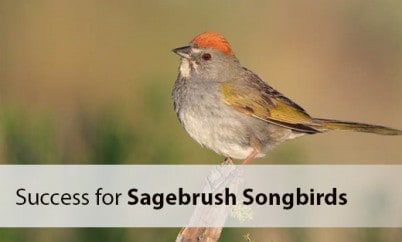
Sagebrush Songbirds Benefit from Sage Grouse Habitat Restoration
September 9, 2015
New research released as part of the Sage Grouse Initiative's Science to Solutions series shows that restoring sagebrush ecosystems not only benefits ranching and sage grouse ...

News
New Tools For Land Managers | Predicting Vegetation Response to Treatments and Wildfire
August 31, 2015
Maintaining a resilient sagebrush steppe is job number one for sustaining sage grouse populations in the West. New tools are available to help conservationists better assess ...

News
New Sage Grouse Strategy Unveiled: $760 Million Invested by 2018
August 27, 2015
The Sage Grouse Initiative has enrolled 1,129 ranchers to conserve 4.4 million acres. We plan to double those numbers by 2018 with a new investment strategy that invests ...

News
New Research Shows Grazing Plans Are Good for Grouse and for Bugs
August 17, 2015
Learn how Montana State University entomologist Hayes Goosey is studying "a mini-metropolis of arthropods" on five ranches in eastern Montana where the Sage Grouse Initiative ...

News
Reducing Cultivation of Grazing Lands Conserves Sage Grouse
July 13, 2015
In the northeast part of sage grouse range, 70% of the best habitat is privately owned-–and the single greatest threat in this region is cultivation of native sagebrush ...

News
Unprecedented Conservation Partnership Keeps Bi-State Sage Grouse Off Endangered Species List
April 21, 2015
On the California-Nevada state line, a geographically distinct population of sage grouse once faced a precarious future. Today, that's changed. The decision by the USFWS that ...

News
New Science to Solutions Report: High-Resolution Maps Sharpen Focus On Sage Grouse Habitat
April 13, 2015
This new Science to Solutions report explains how a new technique called Earth Sense Technology (EST) is a cost-effective way to assesses range conditions throughout the West, ...
News
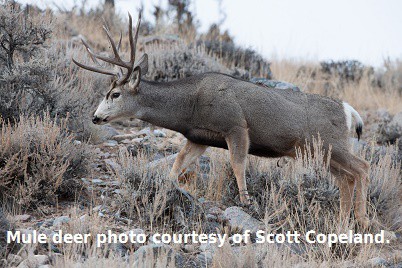
New SGI Science to Solutions Report: Sage Grouse Conservation Benefits Migratory Mule Deer
March 31, 2015
Sage grouse habitat conservation protects critical habitat for mule deer, according to a study highlighted in the newest Sage Grouse Initiative Science to Solutions ...
News
SGI “Outcomes in Conservation” Report Demonstrates Positive Impact of $300 Million Investment in West
March 12, 2015
The United States Department of Agriculture (USDA) today issued a report showing that since 2010 USDA and its partners in the Sage Grouse Initiative (SGI) have worked with ...

News
Study Shows That Fence Markers Reduce Sage Grouse Mortality in Wyoming
February 27, 2015
SGI and our partners have marked or moved 590 miles of high-risk fence to reduce bird collisions so that sage grouse can thrive in the sagebrush sea. Read on to see results of ...

News
“CEAP” Insight: Targeted Conifer Removal: A Proactive Solution to Conserving Sage Grouse
October 15, 2014
The Conservation Effects Assessment Project (CEAP) recently announced the release of its newest Conservation Insight: “Targeted Conifer Removal: A Proactive Solution to ...

News
Sage Grouse Conservation Also Helps Mule Deer Migration Routes, Study Finds
September 29, 2014
New research in Wyoming’s Upper Green River Basin shows that winter range, stopover areas and migration corridors used by mule deer overlap significantly with core sage ...

News
Private Lands Vital to Conserving Wet Areas for Sage Grouse Summer Habitat
September 16, 2014
New sage grouse study reveals a strong link between wet sites (essential summer habitat for sage grouse to raise their broods) and sage grouse leks, and in turn, private ...

News
Montana Bug Study Investigates Benefits of Prescribed Grazing for Sage Grouse Chicks
June 9, 2014
Hayes Goosey is leading a unique four-year study near Roundup, Montana, to investigate a key part of sage grouse diet in spring and summer, particularly for the growing ...
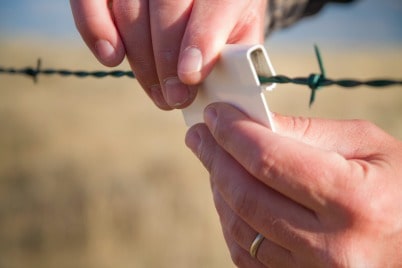
News
Science to Solution Series: Marking High-Risk Fences Saves Sage Grouse
March 20, 2014
The Sage Grouse Initiative (SGI) regularly joins with its partners to fund and support science that is designed to help guide conservation solutions on the ground. Today, we ...

News
Saving Sage Grouse from the Trees: New Study Shows Benefits of Targeted Tree Removal to Declining Birds
September 17, 2013
Proactive conservation that removes encroaching trees helps maintain sage grouse populations within their remaining strongholds, according to a study published today in the ...

News
SGI Partnership Works to Conserve International Sage Grouse Migration Corridor
July 29, 2012
Canada's only viable population of sage grouse depends on habitats in two countries. The revelation that the birds migrate 70 to 120 miles south each winter came from USDA ...